Unsure which skin-tightening treatment fits your goals? Compare Sofwave and Ultherapy—book your consultation today for expert guidance and glowing results!
Choosing between Sofwave vs Ultherapy can feel confusing. Both treatments tighten skin, improve texture, and reduce fine lines without surgery. Many people want noticeable results, but also prefer minimal downtime, discomfort, and risk. Understanding how each procedure works helps you pick the best option for your skin and aesthetic goals.
In this guide, we break down the difference between Sofwave and Ultherapy, including costs, pain levels, treatment duration, and expected results. You’ll also learn who is a good candidate and when combining treatments might help. With this information, you can make a confident, informed choice for safe, non-surgical skin tightening that meets your needs.
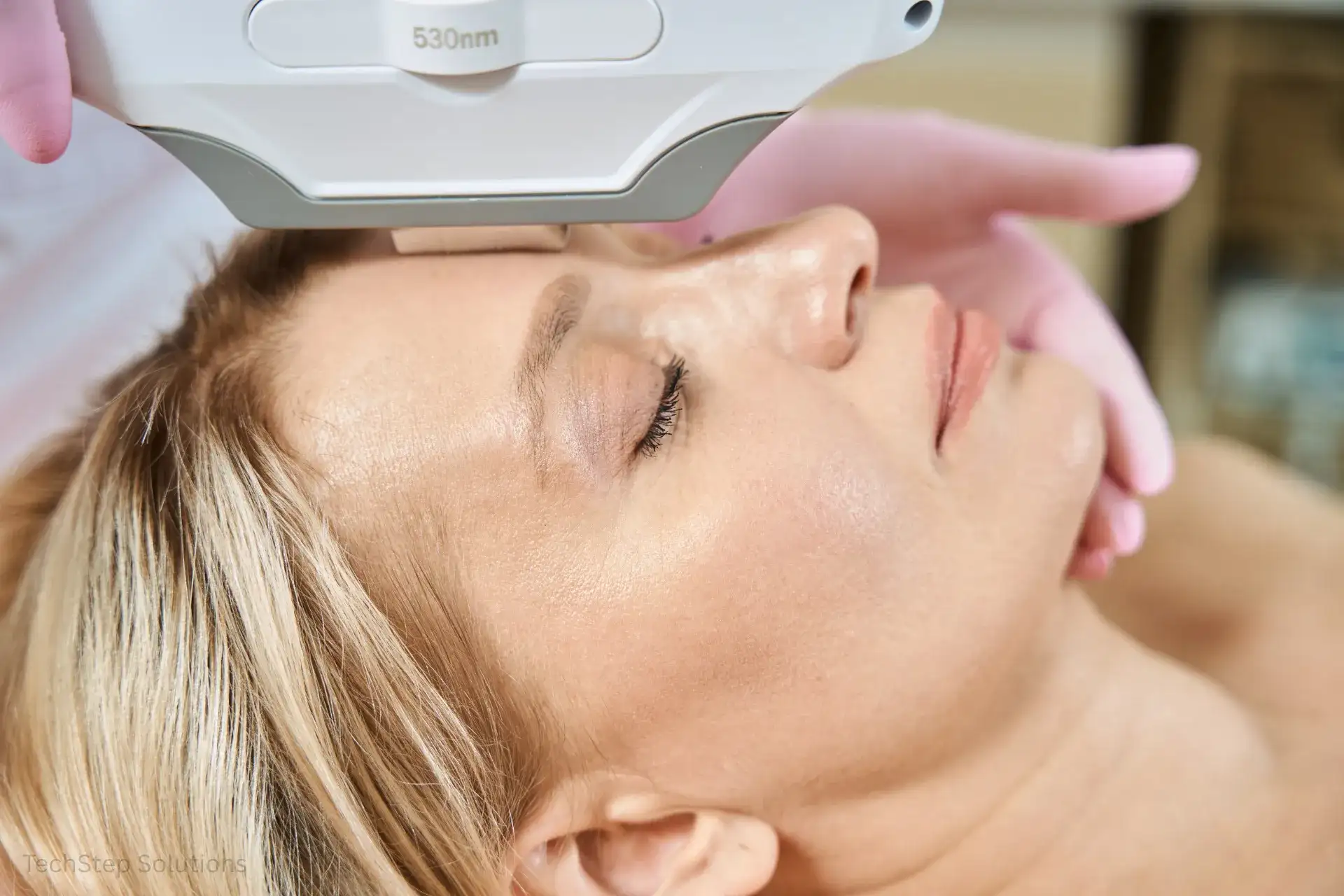
Sofwave uses high-frequency ultrasound to target the mid-dermal layer. It stimulates collagen naturally.
The treatment improves fine lines, mild sagging, and skin texture.
Sessions are short, usually 30–45 minutes. Most people feel minimal discomfort.
There is no downtime, and redness usually fades within a few hours.
Ultherapy uses micro-focused ultrasound to reach deeper skin layers, up to 4.5mm.
It lifts and tightens sagging skin on the jawline, neck, and décolletage.
Sessions last longer, about 60–90 minutes. Some discomfort is normal, but pain management is available.
Results develop gradually, giving a natural, dramatic lift over several months.
Both Sofwave and Ultherapy use ultrasound to tighten and rejuvenate the skin. They differ in depth, tissues targeted, and results. Understanding these sofwave vs ultherapy differences helps you choose the right treatment.
Sofwave delivers ultrasound energy at a mid-dermal depth of 1.5mm. It creates controlled thermal injury, stimulating collagen naturally. This improves skin texture and reduces fine lines with minimal discomfort.
Ultherapy penetrates deeper, reaching 1.5–4.5mm into the skin. It targets deeper tissues and lifts sagging areas like the jawline, neck, and décolletage. The gradual collagen boost gives dramatic, long-lasting results.
| Feature | Sofwave | Ultherapy |
|---|---|---|
|
Target Depth |
Mid-dermis (1.5mm) |
Deep layers (1.5–4.5mm) |
|
Tissues Affected |
Skin surface and mid-layer |
Deep tissue, muscles, skin |
|
Mechanism |
Controlled thermal injury to stimulate collagen |
Micro-focused ultrasound to lift and tighten |
|
Results |
Subtle skin tightening, improved texture |
Noticeable lifting, reduction of sagging |
|
Session Duration |
30–45 minutes |
60–90 minutes |
|
Downtime |
Minimal, redness fades within hours |
Slight redness/swelling possible, resolves in days |
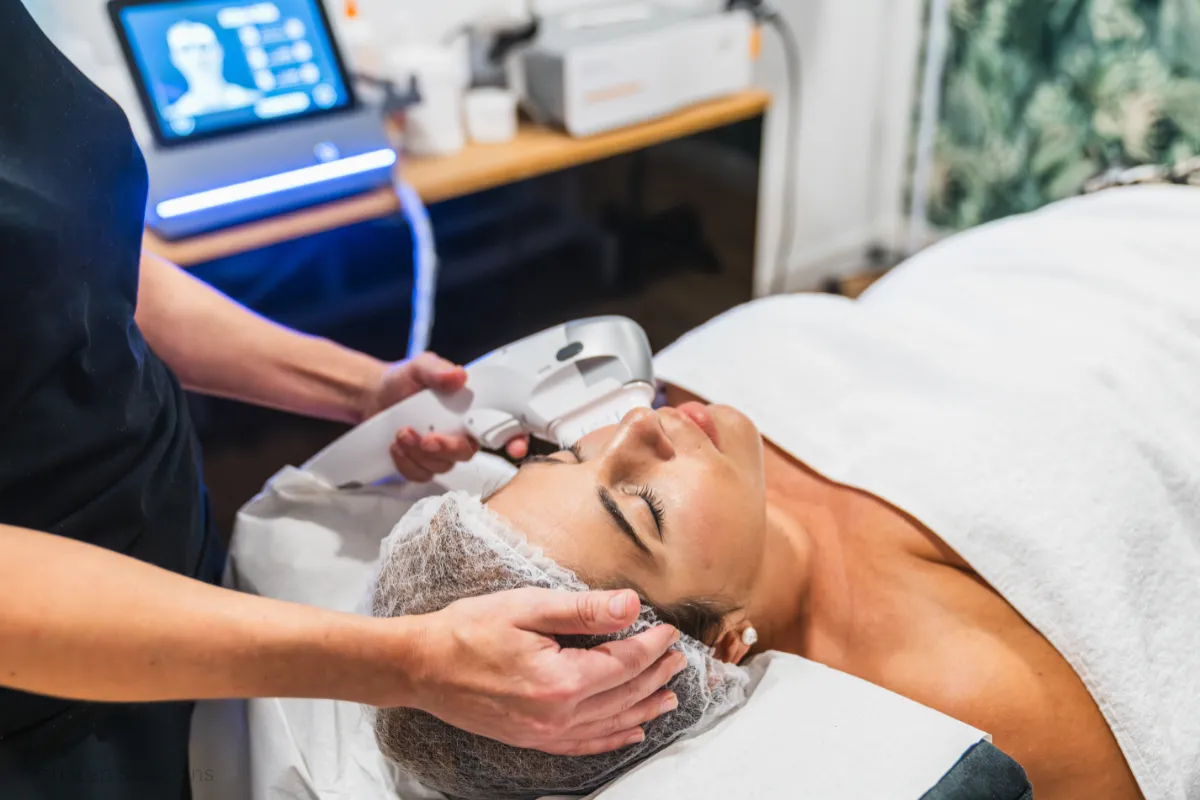
Many people ask about Sofwave vs Ultherapy pain. Sofwave is usually more comfortable because it targets only the mid-dermal layer. Most patients feel mild warmth or tingling during treatment.
Ultherapy reaches deeper layers, so it can be slightly more uncomfortable. Some patients report mild to moderate pain, but pain management options like numbing cream help. This makes the treatment more tolerable for sensitive areas.
Session duration and recovery also differ. Sofwave takes around 30–45 minutes, while Ultherapy sessions last 60–90 minutes. Downtime is minimal for both treatments. Sofwave may cause temporary redness, whereas Ultherapy may produce mild swelling that fades in a few days.
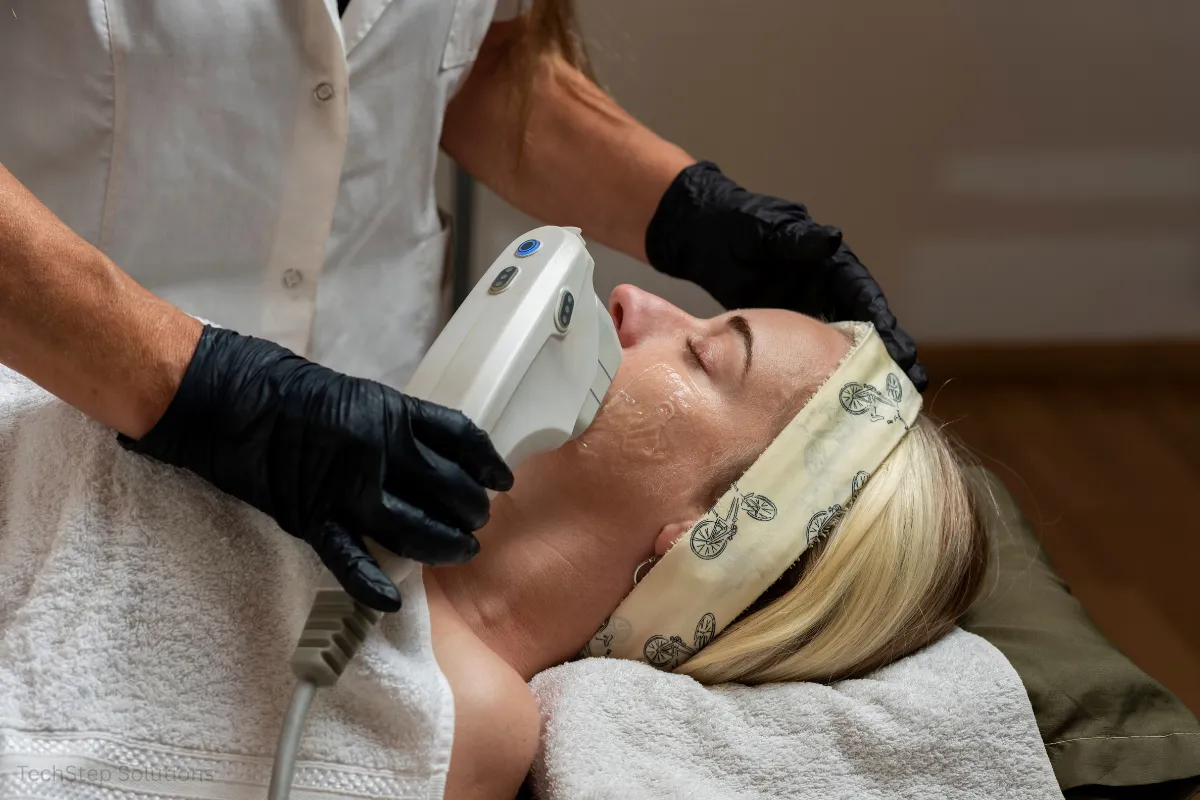
Sofwave primarily improves skin texture, reduces fine lines, and provides subtle tightening. Results generally become noticeable within a few weeks for most individuals. It is ideal for those looking to maintain youthful skin without invasive procedures.
Ultherapy offers a deeper lift and targets sagging tissues, giving dramatic results on the jawline, neck, and décolletage. The collagen production continues over several months, allowing gradual yet noticeable improvement. Many patients see a more sculpted and lifted appearance compared to superficial treatments.
The longevity of results differs between the two treatments. Sofwave results typically last about one year, making touch-ups every 6–12 months beneficial. Ultherapy effects can last 1–2 years, and maintenance sessions every 18 months help preserve the lift. Both treatments support long-term skin health, but Ultherapy is better for more pronounced sagging, while Sofwave suits mild to moderate concerns.
Understanding the cost differences helps you decide which treatment fits your budget and goals. Both offer unique value based on your needs.
Sofwave is generally lower in cost per session. Most patients may need multiple treatments to achieve optimal results. Its affordability makes it a good choice for those seeking subtle skin tightening and early signs of aging.
Ultherapy is more expensive due to deeper tissue targeting and longer session times.
However, it provides longer-lasting effects and more dramatic lifting results, which may reduce the need for frequent touch-ups.
Both options offer value depending on your priorities. Sofwave suits mild to moderate concerns, while Ultherapy works well for significant sagging.
Choosing between Sofwave ultherapy depends on your skin concerns and goals. Understanding the right candidate ensures better results.
Sofwave is best for mild to moderate sagging and surface-level wrinkles. It suits adults in their 30s to early 50s who want subtle skin improvements without surgery.
Ultherapy targets moderate to severe sagging and deeper tissues.
Adults aged 40–65 with noticeable laxity in the jawline, neck, or décolletage benefit most.
Both treatments are safe for most skin types, but proper consultation ensures the best results for your needs.
Both Sofwave and Ultherapy offer unique benefits, but they also differ in depth and results. Understanding these helps set realistic goals.
Sofwave is less invasive, has minimal downtime, and improves skin texture and fine lines.
However, it targets only surface-level tissues and provides subtler lifting.
Ultherapy reaches deeper tissues, offering a stronger lift and more dramatic results.
The procedure may cause mild discomfort and slightly longer recovery compared to Sofwave.
Sometimes, combining Sofwave and Ultherapy delivers optimal results.
Ultherapy addresses deep sagging, while Sofwave enhances texture and fine lines. This suits patients seeking comprehensive rejuvenation.
Choosing the right treatment depends on your tissues, concerns, and desired outcome. A consultation ensures a personalized plan for lasting results.
Sofwave is great for mild to moderate sagging and surface wrinkles. Ultherapy works better for deeper tissue lifting and more dramatic results.
Sofwave is usually more comfortable due to its superficial treatment and cooling system. Ultherapy may cause more discomfort as it penetrates deeper tissues.
No. Both use ultrasound, but Sofwave targets mid-dermal tissues, while Ultherapy reaches deeper layers for lifting.
Sofwave suits adults with mild sagging or early signs of aging. Ultherapy is ideal for moderate to severe sagging needing deeper lifting.
Sofwave generally feels gentler because of its cooling and shorter session time. Ultherapy may require pain management for deeper tissue targeting.

Choosing between Sofwave vs Ultherapy depends on your skin concerns, desired results, and tolerance for deeper treatments. Sofwave is ideal for subtle improvements, reducing fine lines, and requiring minimal downtime. Ultherapy delivers a stronger lift with more dramatic results, making it suitable for moderate to severe sagging.
Consulting a certified specialist at Aqua Vita Wellness & Med Spa ensures you understand which treatment fits your goals. Your personalized plan will focus on long-lasting skin tightening, combining safety, effectiveness, and the best options for your skin type. Learn more about Ultherapy Orange County during your consultation to see which approach is right for you.

Sophia L.
2024-12-24

I had an amazing experience at aquavita Med Spa! The staff was so welcoming, and the results were incredible. I feel more confident than ever.

Olivia M.
2024-10-18
The treatments here are life-changing. I loved how they personalized everything to suit my needs. My skin is glowing like never before!

Emma W.
2024-10-12
This spa is my go-to place for relaxation and self-care. Every visit leaves me feeling rejuvenated and beautiful. Highly recommend!

Isabella T.
2024-10-28
I was impressed by how attentive they were to my concerns. The results speak for themselves—I’m absolutely thrilled with my transformation.

Mia R.
2024-10-09
The level of care and expertise at aquavita Med Spa is unmatched. I walked out feeling like the best version of myself. Truly a wonderful experience.
Our Policies
About Us
Copyright © 2025 Aquavita Medspa | All rights reserved