HydraFacial vs Chemical Peel: Choosing the Best Treatment for Your Skin Concerns
Choosing between HydraFacial vs Chemical Peel depends on your skin’s needs, goals, and how much downtime you’re willing to invest. HydraFacial is ideal for those seeking quick, non-invasive treatments that provide instant hydration, a radiant glow, and skin rejuvenation with no downtime. It’s the best option for sensitive skin, dehydrated skin, or anyone looking to boost their skin without recovery time.
On the other hand, Chemical Peels are more powerful treatments suited for long-term skin correction. They target deeper concerns like hyperpigmentation, fine lines, acne scars, and sun damage. If you’re aiming for dramatic, lasting results and don’t mind a bit more downtime, a chemical peel might be the better choice.
HydraFacial vs Chemical Peel: Key Differences You Should Know
Here’s a comparison of when each treatment works best based on common skin concerns.
Skin Concern
HydraFacial
Chemical Peel
Dry Skin
Excellent for deep hydration and moisture, often referred to as a hydro peel due to the deep moisturizing effects
Treats dry skin, but may require extra recovery care
Fine Lines & Wrinkles
Good for mild fine lines with hydration
Targets deep wrinkles, stimulates collagen production
Acne & Acne Scars
Treats mild acne, clogged pores, blackheads
Works on deeper acne scars and pigmentation
Sun Damage & Hyperpigmentation
Improves overall skin texture
Ideal for treating sun damage and hyperpigmentation with deeper penetration
Sensitive Skin
Gentle, soothing, no downtime
Suitable for sensitive skin but requires careful selection of peel type
Best of Both Worlds: Combining HydraFacial and Chemical Peel
Many clients choose to combine HydraFacial and Chemical Peels for optimal results. After a hydrafacial peeling , you can enjoy an instant glow and deep hydration, leaving your skin looking refreshed and rejuvenated. This treatment is perfect for those seeking quick, visible improvements in their complexion.
Later, a Chemical Peel can be scheduled to address deeper concerns, such as fine lines, acne scars, and hyperpigmentation. Alternating between these treatments helps target both surface-level and deeper skin issues, providing a balanced approach for healthier, more youthful skin.
When to Consider Each Treatment: A Personal Guide
Choosing the right treatment depends on your skin’s unique needs and concerns. Both chemical peel vs facial offer distinct benefits, so understanding when to choose each can help you achieve the best results.
Go for HydraFacial if you are looking for a quick refresh, more hydration, or an ideal treatment for sensitive skin. HydraFacial is perfect for maintaining skin health and addressing mild skin concerns.
Opt for Chemical Peels if your skin concerns are more stubborn, such as deep acne scars, fine lines, or hyperpigmentation. Chemical Peels offer stronger, long-lasting results for more dramatic changes to skin texture and tone.
Step-by-Step Process: What Happens During Each Treatment?
HydraFacial Experience:
Cleansing: Gently removes impurities and excess oils from the skin.
Exfoliation: Light exfoliation to slough off dead skin cells, revealing a smoother texture.
Extraction: Clears pores of debris using painless suction.
Hydration: Infuses the skin with nourishing serums, including hyaluronic acid, antioxidants, and peptides.
Chemical Peel Experience:
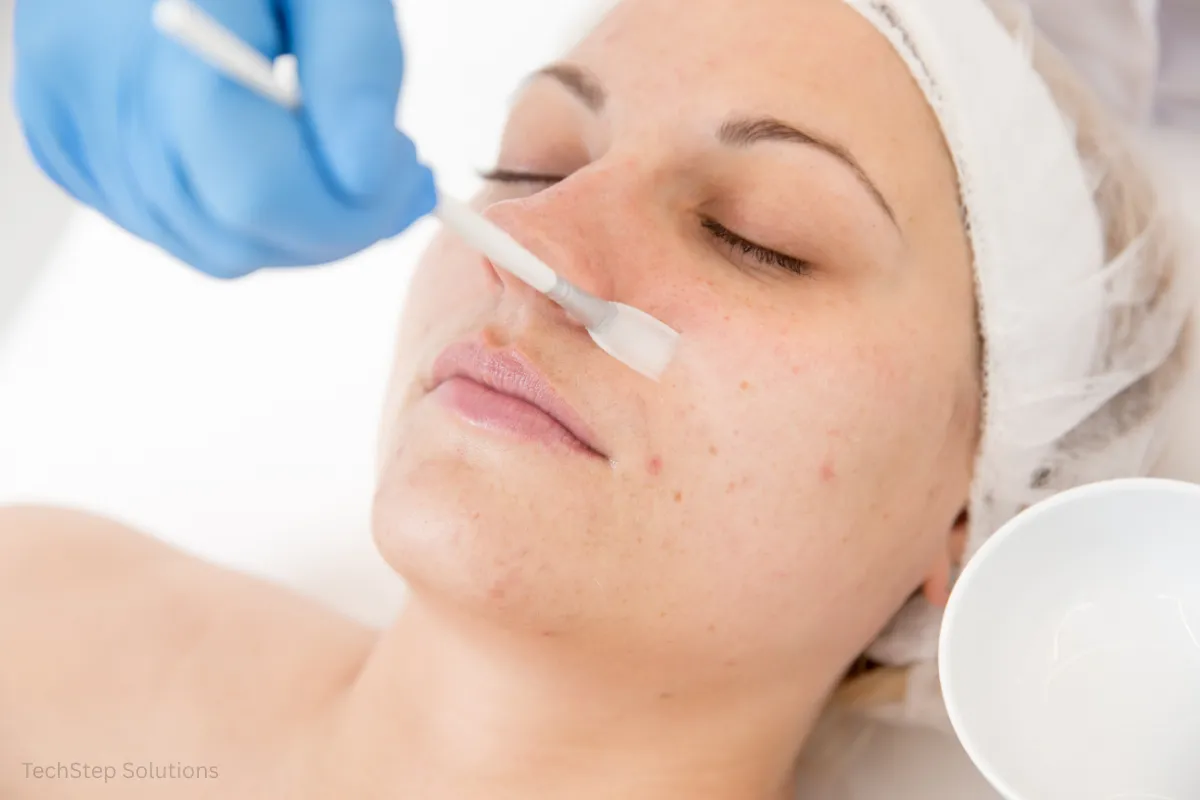
Acid Application: A customized chemical solution is applied to the skin.
Controlled Peeling: The solution dissolves the outer layers of dead skin to reveal new skin.
Healing: The skin will peel and heal over the course of several days.
HydraFacial vs Chemical Peel for Acne: Effective Treatment Solutions
For mild acne, HydraFacial is an excellent option. It provides gentle exfoliation while moisturizing and promoting hydration without causing irritation. This treatment helps clear clogged pores and leaves the skin feeling refreshed and rejuvenated.
On the other hand, Chemical Peels for acne are effective for treating acne scars and helping with skin resurfacing by removing the upper layers of damaged skin. While HydraFacial addresses active breakouts by clearing pores, chemical peels for skin resurfacing work deeper to treat underlying pigmentation and scarring, offering more long-term improvements
Silk Peel vs. Hydrafacial: Aftercare and Recovery
HydraFacial Aftercare:
Hydrate with gentle moisturizers.
Apply sunscreen daily to protect against UV damage.
Avoid using harsh exfoliants or strong cleansers for a few days.
Peeling after HydraFacial is uncommon, but some clients may experience mild flaking or dryness, which is temporary and part of the skin's natural renewal process.
Chemical Peel Aftercare:
Moisturize regularly to soothe skin during the recovery process.
Avoid picking or scratching peeling skin.
Follow the recovery timeline as advised by your provider.
Selecting the Best Treatment: Chemical Peel vs HydraFacial
HydraFacial
is ideal for those seeking hydration, a quick glow, and mild exfoliation, with minimal to no downtime. It’s perfect for sensitive skin, sun damage, or those looking for a refreshing treatment without major recovery.
Chemical Peels
are best for treating more stubborn skin concerns like fine lines, deep acne scars, hyperpigmentation, and sun damage. They provide long-term skin benefits but require more care and recovery.
FAQs
Should I get a facial before or after a peel?
It’s best to get a facial before a peel for a clean canvas, but consult your provider for personalized advice.
Does a HydraFacial include a peel?
HydraFacial offers mild exfoliation, but it's not a chemical peel. It's gentler and ideal for hydration.
What's better, a chemical peel or HydraFacial?
HydraFacial is great for hydration and glow, while chemical peels target deeper skin concerns like wrinkles and scars. HydraFacial is great for hydration and glow, while chemical peels target deeper skin concerns like wrinkles and scars.
Should I get a facial or a chemical peel?
Facials maintain skin health, while chemical peels treat more stubborn issues like acne scars and hyperpigmentation.
Is a chemical peel part of a HydraFacial?
No, a chemical peel is not part of HydraFacial, but it can be added for enhanced results.
Where can I get HydraFacial and Chemical Peel near me?
Visit AquaVita Wellness & Medspa in Lake Forest, CA for both treatments. Contact us today!
Final Thoughts: Unlock the Perfect Treatment for Your Skin Needs
Both HydraFacial and Chemical Peels are excellent options, but the best choice depends on your skin type and goals. HydraFacial is perfect for instant hydration and a glowing complexion with minimal downtime, while Chemical Peels target deeper issues like fine lines, pigmentation, and acne scars, offering long-term results.
At AquaVita Wellness & Medspa, the leading Medspa Lake Forest Ca , our experts will help you choose the right treatment for your skin. Whether you want a quick refresh or need to target deeper concerns, we’ll create a personalized plan. Contact us today to schedule your consultation for Chemical Peel Treatment in Irvine & Lake Forest, CA!