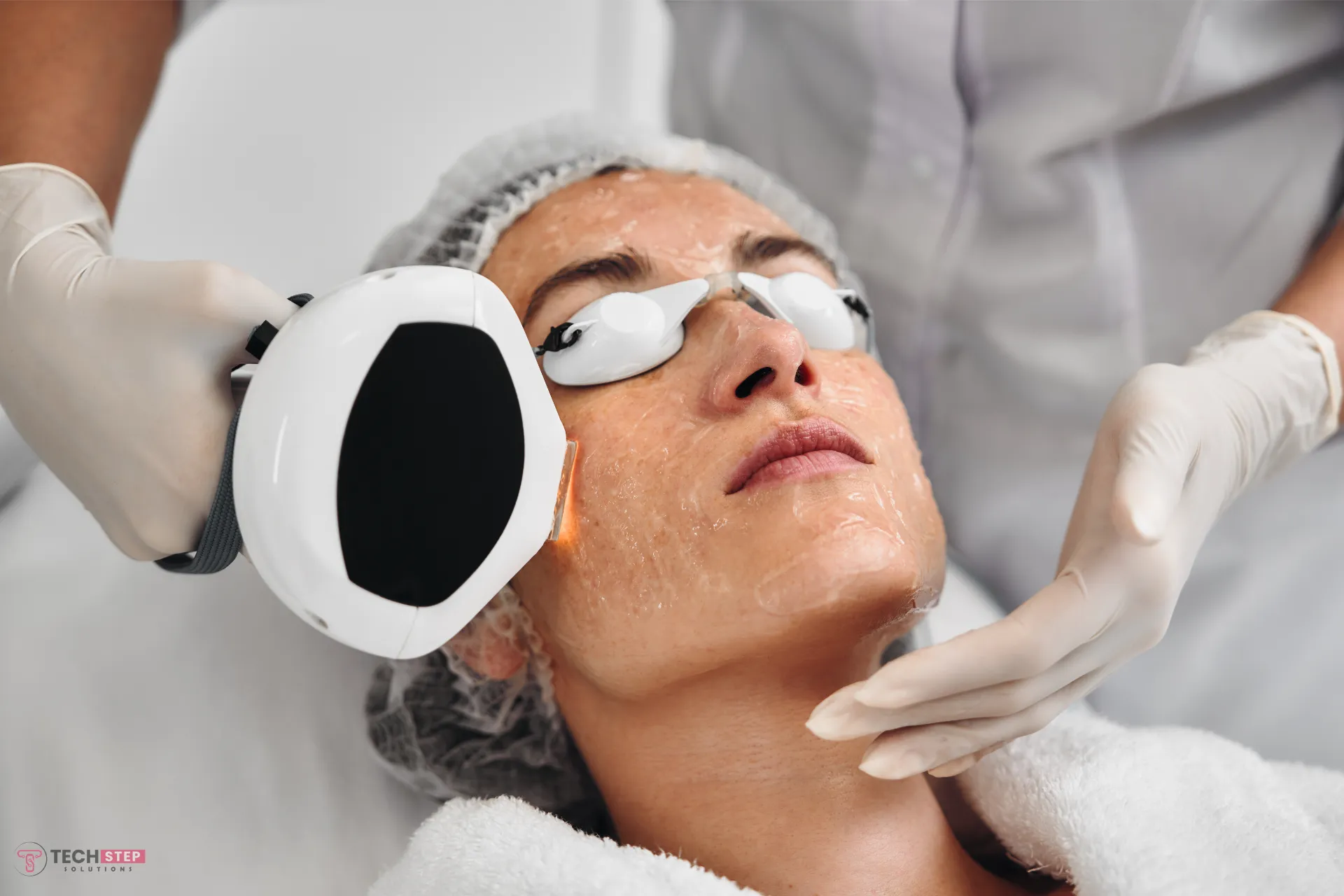


How Long Does Dermal Filler Last?

TABLE OF CONTENT
- How Long Does Dermal Filler Last? A Complete Longevity Guide
- Why Dermal Filler Duration Varies by Treatment Area?
- What Affects How Long Dermal Fillers Last?
- Comparing Dermal Fillers by How Long Their Results Last
- How Filler Type, Density, and Placement Influence Results
- How Dermal Fillers Can Enhance Features Without Looking Overdone
- Dermal Filler Recovery Time: What to Expect After Treatment
- How to Make Filler Results Last Longer?
- How Dermal Fillers May Affect Your Face Over Time?
- Get Natural-Looking Dermal Fillers in Lake Forest
- FAQs
- Final Thoughts: Understanding the Lifespan of Dermal Fillers
How Long Does Dermal Filler Last?
Enjoy long-lasting volume and smoother skin—discover your filler timeline and book your consultation today for beautiful, natural results!
How Long Does Dermal Filler Last? A Complete Longevity Guide
If you are considering facial fillers, one of the first questions you may have is: how long does dermal filler last? In general, temporary dermal fillers may last anywhere from several months to around two years, depending on the product used, treatment area, individual metabolism, facial movement, and treatment plan.
Hyaluronic acid-based fillers are widely used in aesthetic treatments, and their effects generally remain noticeable for about six months to a year. Other dermal filler types may last longer. However, filler longevity is not the same for every patient, and the longest-lasting option is not always the most suitable one.
At AquaVita Wellness & Medspa, filler treatment should focus on balanced facial proportions, natural-looking volume restoration, and a plan that fits your individual anatomy and goals.
Why Dermal Filler Duration Varies by Treatment Area?
Filler longevity can vary by treatment area. Areas with more facial movement may break down filler faster than areas where deeper structural support is needed.
Lip Fillers
How long lip injections last depends on the product, amount used, and metabolism. Because the lips move frequently, results may fade sooner than in less active areas.
Cheeks, Chin, and Jawline
These areas often use deeper filler placement and products with greater filler density, which may provide longer-lasting support and help restore facial volume.
Nasolabial Folds and Smile Lines
Dermal filler nasolabial folds treatment and dermal fillers for smile lines may soften lower-face creases. In some cases, correcting nearby volume loss can create a more balanced result than filling the line directly.
What Affects How Long Dermal Fillers Last?
Several factors can affect how long filler results last. People with a quicker metabolism may process filler more rapidly, while daily habits and overall lifestyle can also affect skin condition and how long the results appear fresh.
Other factors include:
Other factors include:
- treatment area
- filler consistency and density
- amount and injection depth
- skin type and age
- sun exposure
- smoking
Age and filler longevity can also be related, as facial volume loss and reduced skin elasticity may influence treatment needs and maintenance.
Comparing Dermal Fillers by How Long Their Results Last
The longest lasting dermal filler depends on the material, treatment area, and individual response. Some fillers are designed for shorter-term flexibility, while others provide longer-lasting structural support.
| Filler Type | Typical Longevity | Common Use |
|---|---|---|
Hyaluronic acid fillers | About 6–12 months | Lips, cheeks, facial lines |
Calcium hydroxylapatite | Around 12–18 months | Cheeks, jawline, deeper folds |
Poly-L-lactic acid | Up to 2 years | Facial volume restoration |
Permanent dermal filler | Long-term or non-absorbable | Selected facial corrections |
How Filler Type, Density, and Placement Influence Results
The way a filler is formulated and placed can affect both appearance and longevity.
- Hyaluronic acid fillers: These vary in firmness, flexibility, and cohesiveness, making some better suited to mobile areas and others to structural support.
- Filler consistency: Softer fillers may work well for subtle lip enhancement, while denser products may be used for areas such as the chin or jawline.
- Filler density: Higher-density products can provide greater support and projection in selected areas.
- Filler placement: Correct depth and location are important for balanced, natural-looking results.
Because every facial area has different needs, dermal filler treatment should be customized rather than based on a one-product-fits-all approach.
How Dermal Fillers Can Enhance Features Without Looking Overdone
Natural dermal filler results should enhance your features without making the face appear overfilled or disproportionate. A well-planned treatment considers facial symmetry, movement, proportions, profile balance, and the degree of facial volume loss.For some patients, filler is used for targeted correction. For others, the goal may involve broader volume restoration.
Even full face filler results should not mean adding filler to every facial area. Strategic treatment may focus only on the areas that benefit from support or contour refinement. A face wrinkle filler may help soften selected static lines, but not every wrinkle requires filler. Lines that develop mainly from repeated muscle activity may be better addressed with a treatment other than dermal filler.
Dermal Filler Recovery Time: What to Expect After Treatment
Filler recovery time is usually short, though mild swelling, redness, tenderness, or bruising may occur.
For proper dermal filler aftercare:
- follow your injector’s instructions
- avoid pressure on the treated area
- limit intense exercise for a short time
- avoid excessive heat and sun exposure
- contact your provider if symptoms worsen
Most people return to normal activities quickly, but recovery can vary by treatment area and individual response.
How to Make Filler Results Last Longer?
Good filler maintenance can help support longer-lasting results.
- Schedule touch-ups as needed: Timing depends on the filler type and treatment area.
- Follow your provider’s advice: Personalized care helps maintain balanced results.
- Use sun protection: UV exposure can accelerate visible skin aging.
- Stay hydrated: Healthy, hydrated skin supports a fresher appearance.
- Avoid smoking: Smoking can accelerate skin aging..
Regular follow-ups can help determine when maintenance treatment may be appropriate.
How Dermal Fillers May Affect Your Face Over Time?
The long term effects of fillers depend on the product used, treatment frequency, treated area, and individual anatomy. Temporary fillers gradually break down over time, while some patients choose maintenance treatments to preserve their results.
Possible Side Effects and Long-Term Considerations
Possible side effects may include swelling, bruising, tenderness, asymmetry, infection, lumps, or nodules. Because rare but serious complications can also occur, fillers should be administered by a qualified medical professional. Anyone considering a permanent dermal filler should carefully discuss its benefits, risks, and long-term implications before treatment.
Get Natural-Looking Dermal Fillers in Lake Forest
If you are considering Dermal Fillers in Lake Forest, AquaVita Wellness & Medspa offers personalized treatment planning based on your facial anatomy, skin type, volume loss, and aesthetic goals. The focus is on enhancing your natural features while maintaining balanced facial proportions.
Whether you are interested in lip enhancement, cheek support, jawline definition, or softening smile lines, a consultation can help determine the most suitable filler type, placement, and treatment approach for natural-looking results.
FAQs
How Long Can Fillers Remain in the Face?
Some filler materials may remain in the tissues longer than the visible cosmetic effect suggests. Longer-lasting and non-absorbable fillers may remain for extended periods, while many commonly used temporary fillers are gradually broken down by the body.
Do Dermal Fillers Last Longer Than Botox?
Dermal fillers often last longer than neuromodulator treatments such as Botox, but the two treatments serve different purposes. Fillers restore or add volume, while Botox temporarily reduces targeted muscle activity.
How Often Should You Get Dermal Fillers?
There is no universal schedule. Some patients choose maintenance when results begin to fade, while others wait until more noticeable volume loss returns. Your provider should reassess the area before recommending additional treatment.
At What Age Should You Consider Fillers?
There is no single best age. Filler suitability depends more on your anatomy, goals, skin condition, facial volume loss, and medical history than on age alone. The decision should depend on your facial needs and goals, not age alone.
What Is the Best Filler for Older Skin?
The best filler for older skin depends on the changes being treated. Mature skin may show volume loss, wrinkles, laxity, and structural changes, so the most appropriate product may differ from one area to another. A personalized assessment is necessary to determine the safest and most suitable option.
Final Thoughts: Understanding the Lifespan of Dermal Fillers
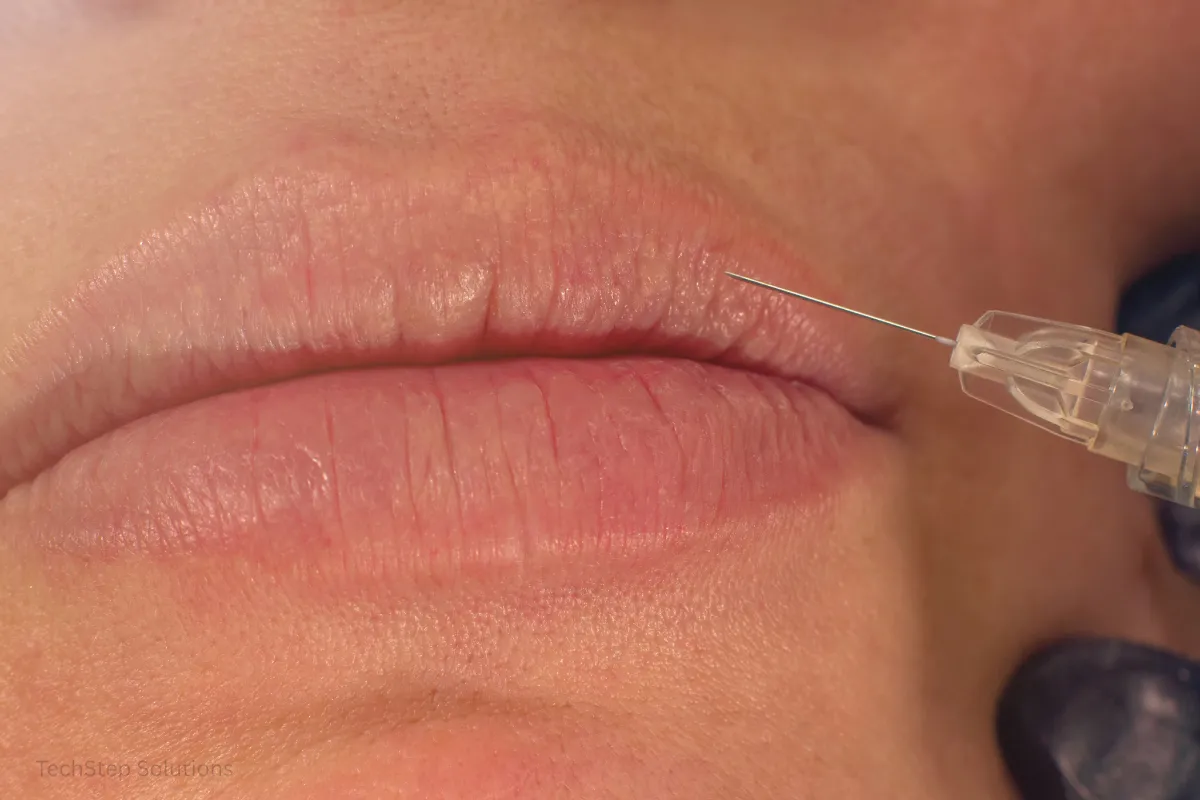
So, how long does dermal filler last? Most temporary fillers can provide visible results for several months to around two years, depending on the filler type, treatment area, metabolism, facial movement, placement, and maintenance needs.
The best outcome is not only about choosing the longest lasting dermal filler. Proper product selection, precise placement, and a personalized treatment plan are equally important for achieving balanced, natural dermal filler results that complement your facial features.
MORE FROM OUR BLOG