Does Ultherapy Hurt? A Complete Guide to Pain, Recovery, and Results
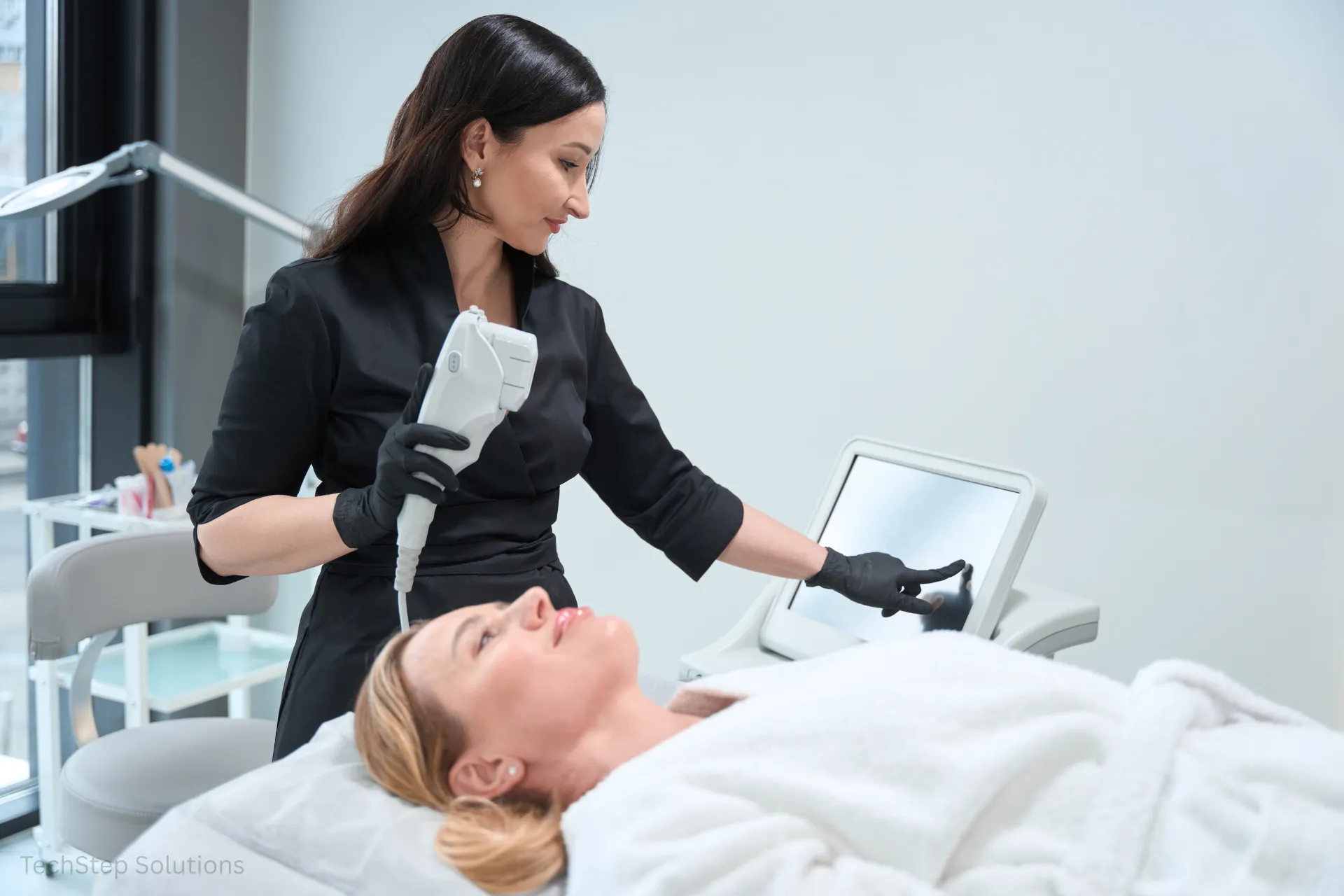
Many people considering a non-surgical procedure ask, “Does Ultherapy hurt?” Ultherapy delivers targeted ultrasound energy beneath the skin to gently lift and firm areas such as the face, neck, and jawline.
During the session, mild ultherapy pain or slight discomfort may occur, but most patients find it manageable. Sensations like warmth, tingling, or gentle prickling show that the energy is reaching the deep layers of the skin to stimulate new collagen production.
This article will guide you through how the procedure works, what to expect in different treatment areas, ways to manage discomfort, and the overall benefits. You’ll also learn about pain management, recovery, and the long-lasting results of this safe, non-invasive skin lifting treatment.
Ultherapy Explained: Skin Tightening Through Deep Tissue Treatment
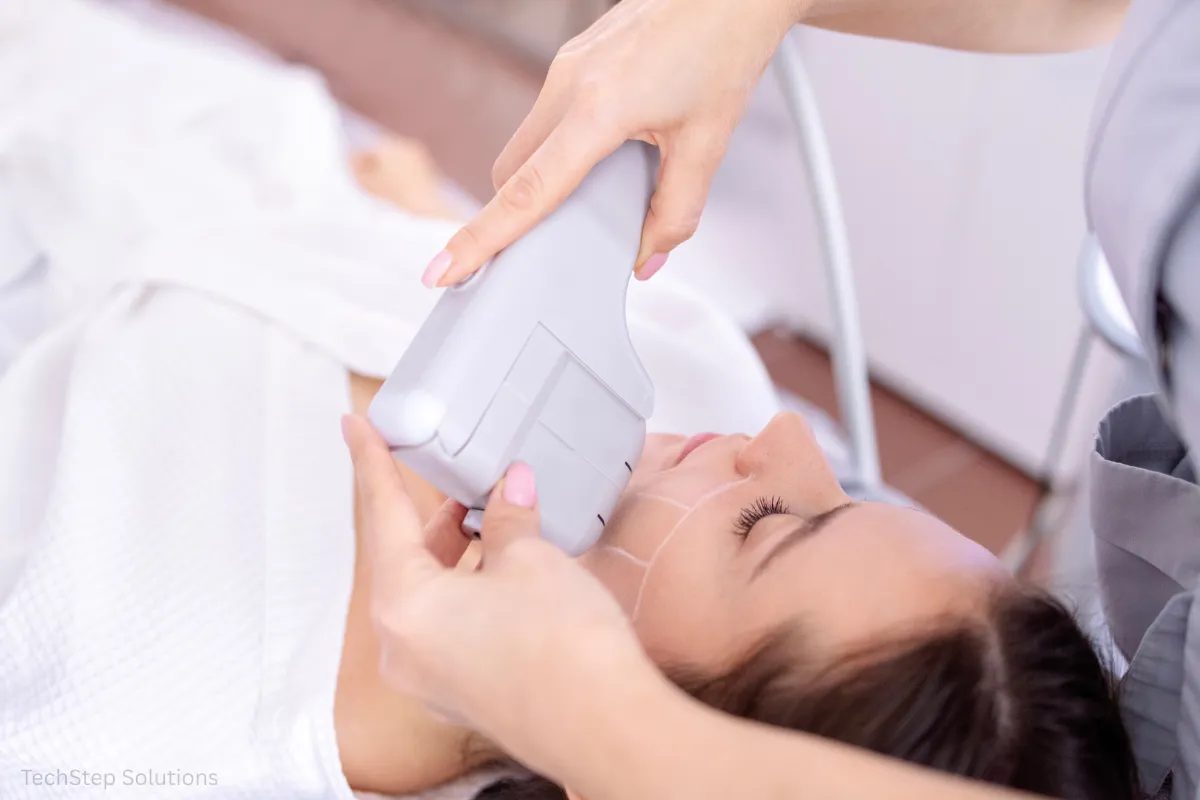
Ultherapy is a non-surgical procedure that uses focused ultrasound energy to reach the deep layers of your skin. The energy passes safely through the surface to stimulate new collagen production. This natural process gradually firms and lifts the treatment area.
The treatment works on areas like the neck and face, helping smooth wrinkles and improve skin elasticity. Over time, skin appears tighter, healthier, and more youthful. Gradually, the skin becomes firmer and more lifted as new collagen forms beneath its layers.
Ultherapy requires no downtime, so you can resume normal activities immediately. Some patients feel mild warmth or tingling in the deep tissue, which shows the energy is effectively reaching the target areas. The ultherapy results are long-lasting when combined with proper skincare and healthy habits.
Mild Discomfort and Tingling in Ultherapy Treatments
During Ultherapy, many people wonder if the treatment hurts, but most sensations are mild and temporary. You may first notice a slight tightness in the treatment area, which signals that the ultrasound energy is working on the deeper layers of the skin.
Next, a gentle prickling sensation or tingling may appear as the procedure targets the collagen beneath the surface. Some patients also feel a heating feeling, especially in sensitive areas like the neck or jawline. These sensations are normal and indicate the energy is effectively reaching the deep tissue.
The ultherapy pain level varies by individual pain tolerance and the treatment area. Most sensations are brief. Using numbing gels, adjusting ultrasound intensity, and staying relaxed can minimize discomfort. These steps help reduce anxiety and make the procedure more comfortable.
Ultherapy Pain: Factors That Affect Your Experience
Treatment Area Thickness – Thinner skin areas, like around the eyes or neck, may feel more sensitive. Thicker skin tends to feel less discomfort.
Individual Pain Tolerance – Everyone experiences sensations differently. Your ultherapy pain level depends on personal tolerance and perception of mild discomfort.
Practitioner Experience – A skilled specialist can adjust the ultrasound energy during the procedure. Proper technique ensures the deep tissue is treated effectively with minimal pain.
Sensitive Areas – Certain treatment areas are naturally more prone to tingling, warmth, or mild pain. Awareness helps manage expectations.
Pain Management Options – Topical gels, numbing agents, and adjusting treatment settings can reduce discomfort and make the session less ultherapy painful.
Pain-Relief Strategies for a Smoother Ultherapy Session
Before the procedure, using a topical anesthetic or numbing gel can help reduce mild discomfort in the treatment area. These preparations make the session much easier to tolerate.
During the treatment, your specialist can adjust the ultrasound energy to match your comfort level. Proper settings help manage the ultherapy pain and allow for precise treatment of deep tissue without unnecessary discomfort.
Mental preparation is also important. Staying relaxed, taking deep breaths, and reducing stress can make a noticeable difference. After the session, if needed, mild pain relief options are available to minimize ultherapy pain after the procedure. Following these steps is one of the best ways to ensure effective ultherapy pain management and a comfortable experience.
Comparing Ultherapy Pain to Other Non-Surgical Lifting Methods
Ultherapy
HIFU sensations are similar to Ultherapy, including warmth or tingling. However, it may be slightly less precise in treating deep layers of the treatment area.
HIFU
Ultherapy is very effective for lifting and firming skin, though some patients may experience mild ultherapy pain. It targets deep tissue precisely for optimal results.
RF Skin Lifting
RF Skin Lifting feels gentler, usually causing only slight warmth in the treatment area, making it more comfortable for those sensitive to pain.
Botox
Botox injections are much easier, with minimal discomfort. They do not provide the same lifting effect or long-lasting results as ultrasound-based methods.
Each procedure has its own options and benefits. Understanding potential ultherapy dangers and expected sensations helps you make an informed choice.
Must-Know Advice Before Undergoing Ultherapy
Understand the Procedure – Learn how Ultherapy works, using focused ultrasound on deep tissue to lift and firm skin.
Assess Your Skin Condition – Check the treatment area, including the neck, elasticity, and sagging, to set realistic expectations.
Choose an Experienced Practitioner – Skilled specialists ensure correct technique and proper ultherapy pain management.
Consult a Specialist – Get personalized advice about your skin type and discuss potential ultherapy risks before treatment.
Research Costs and Treatment Packages – Compare options to plan your sessions and understand pricing for the procedure.
Prepare Mentally – A relaxed mindset helps manage mild discomfort and ensures a smoother experience during treatment.
Follow Pre- and Post-Treatment Instructions – Proper care helps maximize ultherapy results and achieve long-lasting results safely.
Key Benefits of Ultherapy for Skin Lifting and Firming
Ultherapy is a non-invasive procedure that requires no injections or incisions, making it a safe alternative to surgery. The treatment area heals quickly, with minimal downtime and no visible scarring.
Key Benefits:
Stimulates: new collagen in deep layers, lifting and firming the face and neck naturally.
Improves: skin elasticity for smoother, healthier-looking skin.
Delivers: noticeable ultherapy results that appear gradually and look natural.
Offers: long-lasting results, as collagen continues to rebuild for several months after the session.
Non-surgical: and gentle, reducing risks compared to invasive procedures.
These benefits make Ultherapy an effective and reliable choice for those seeking safe, long-lasting results without surgery.
FAQs
Why is my Ultherapy so painful?
Pain varies by sensitive areas, thickness of skin, and your personal tolerance. Some discomfort is normal due to ultrasound energy reaching deep layers.
What is the pain scale for Ultherapy?
Most patients experience mild discomfort. The ultherapy pain level is usually manageable and brief during the procedure.
How long will my face hurt after Ultherapy?
Some may feel tenderness or slight warmth for a few hours. Ultherapy pain after the session is typically short-lived.
What is the downside of Ultherapy?
Temporary redness, tingling, or mild swelling can occur. Rarely, sensitive areas may feel more ultherapy painful.
How to make Ultherapy less painful?
Using numbing gels, adjusting ultrasound energy, and staying relaxed helps manage discomfort. Proper ultherapy pain management improves the overall experience.
Final Insights on the Ultherapy Procedure and Comfort
While many wonder does Ultherapy hurts, most feel only mild discomfort in the treatment area. Proper preparation reduces pain and improves the procedure experience.
The benefits, including noticeable ultherapy results and long-lasting effects, outweigh temporary sensations. Consult a specialist at AquaVita Wellness Medspa in Ultherapy Orange County to understand ultherapy risks and ensure the treatment is right for you.