

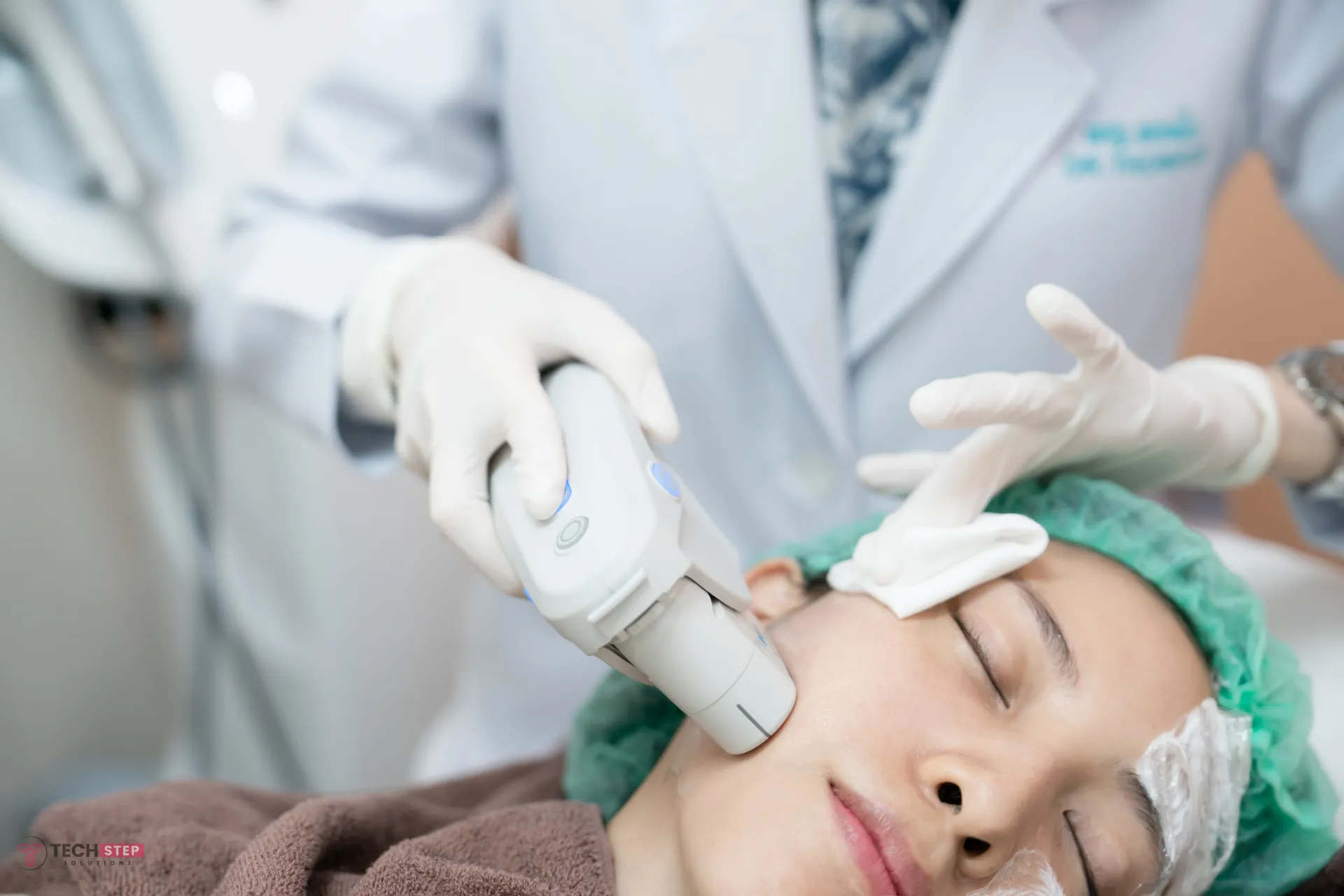
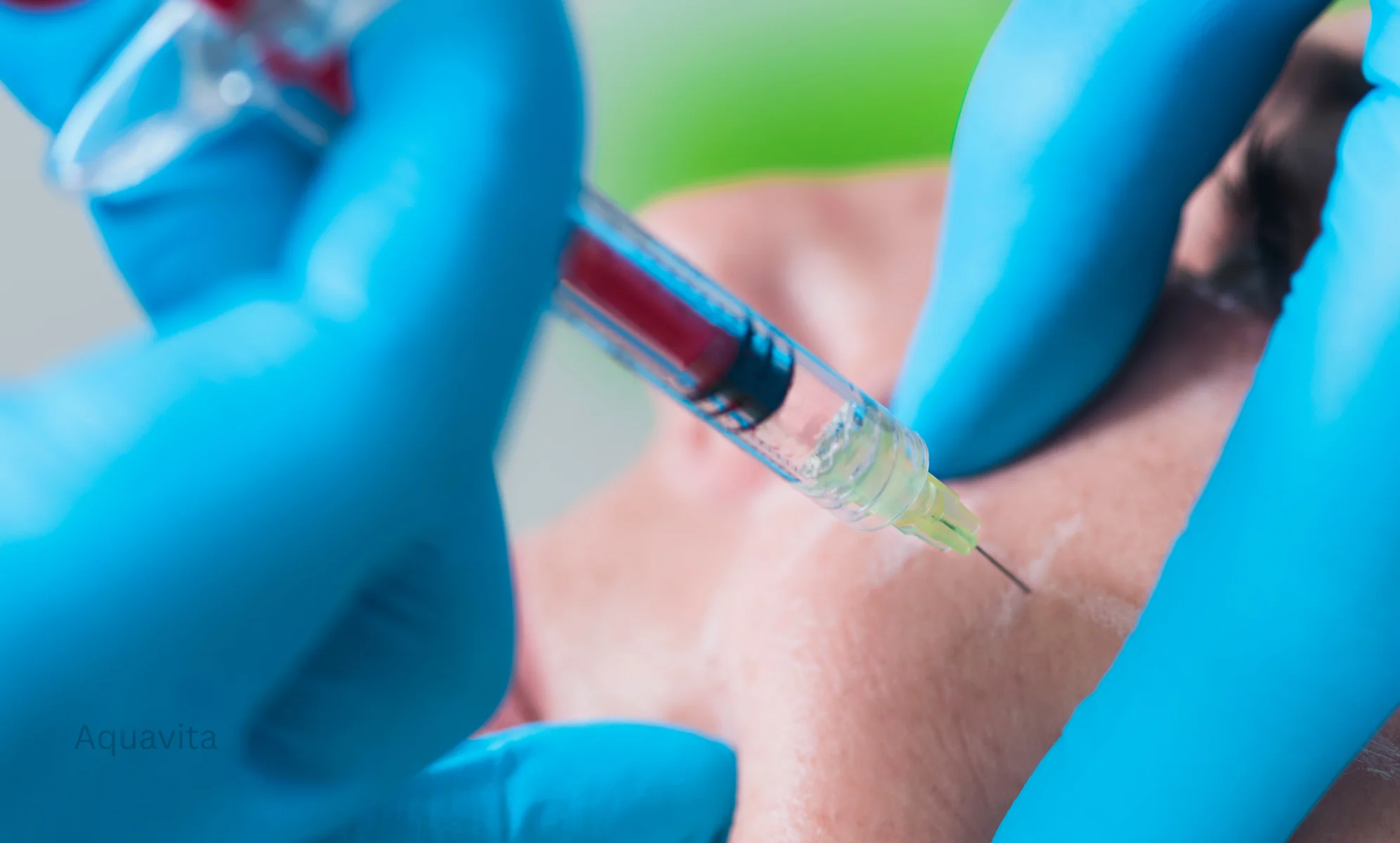
Some people may feel tired when starting Tirzepatide. Learn how to manage fatigue and stay energized—discover tips for a smooth weight loss journey today!
Yes, tirzepatide can make you feel tired. Fatigue is a recognized side effect of tirzepatide, a prescription medication used for specific medical conditions, including weight management and type 2 diabetes. Some people experience low energy, weakness, or unusual exhaustion after starting treatment or increasing their weekly dose. However, not everyone experiences these symptoms.
According to FDA-approved prescribing information for tirzepatide used in weight management, fatigue-related symptoms occurred in 5% to 7% of participants in clinical trials, compared with 3% receiving a placebo.
Tiredness may also result from reduced calorie intake, dehydration, low blood sugar, or digestive side effects. Understanding these possible causes can help you manage your energy levels and recognize when medical attention is necessary.

Tirzepatide is a prescription medication used for type 2 diabetes and weight management. It activates GIP and GLP-1 receptors to regulate blood sugar, reduce appetite, and slow digestion.
By suppressing appetite, tirzepatide may reduce calorie intake, sometimes leading to tiredness or low energy, especially during early treatment.
Several factors may affect energy levels, including:
Tirzepatide suppresses appetite, which may lead to eating too little and cause weakness, low energy, and difficulty concentrating.
Tirzepatide suppresses appetite, which may lead to eating too little and cause weakness, low energy, and difficulty concentrating.
Nausea, vomiting, or diarrhea can cause fluid and electrolyte loss, leading to dizziness, headaches, and tiredness.
Hypoglycemia may occur, especially when tirzepatide is combined with insulin or sulfonylureas. Common signs include trembling, sweating, lightheadedness, and a general feeling of weakness.
Reduced food intake may lead to insufficient protein, iron, or vitamin B12, potentially contributing to ongoing fatigue.
Fatigue may become more noticeable after a dose increase due to stronger appetite suppression or gastrointestinal side effects. Always follow your healthcare provider’s dosing instructions.
There is no fixed timeline for tirzepatide-related fatigue. Some people feel better as their bodies adjust to treatment, while others may experience tiredness after dose increases. The duration depends on nutrition, hydration, medication tolerance, and overall health.

Managing tirzepatide-related fatigue involves maintaining proper nutrition, staying hydrated, getting enough rest, and following healthy lifestyle habits.
Tirzepatide tiredness and sleepiness are related but not identical. Fatigue describes reduced physical or mental energy, while sleepiness refers to an increased tendency to fall asleep. Some individuals may feel sluggish during treatment because of reduced food intake, disturbed sleep, or blood glucose changes.
Severe exhaustion, however, should not automatically be attributed to a GLP-1-based medication. Conditions such as anemia, thyroid disorders, sleep apnea, and other health problems can also cause excessive tiredness. A medical evaluation may help distinguish medication-related symptoms from unrelated causes.
Compounded tirzepatide requires extra caution because it is not FDA-approved or reviewed for safety, effectiveness, or quality. The FDA has raised concerns about dosing errors and rapid dose increases.
Taking more than prescribed may cause severe digestive problems, dehydration, and weakness. Always confirm your dose with your prescriber or pharmacist, and never adjust it yourself. FDA-approved options are generally preferred when suitable.
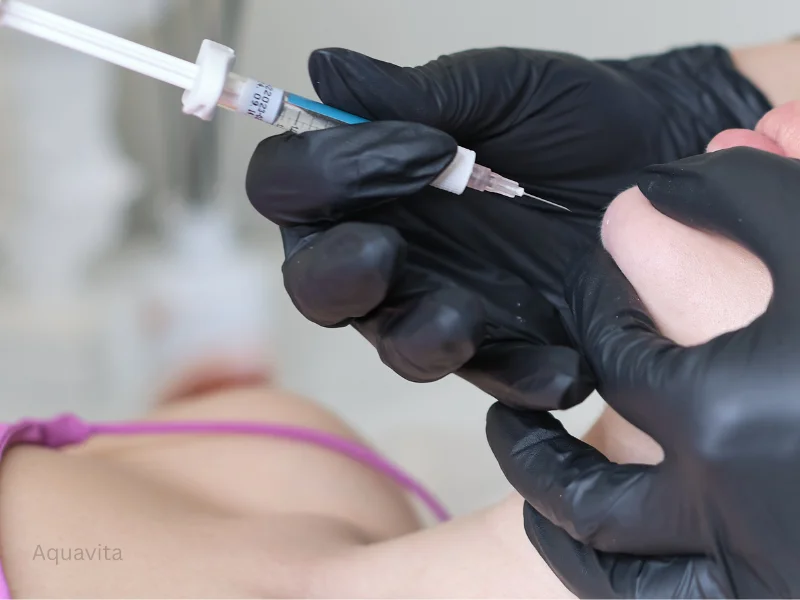
Weight loss isn't the same experience for everyone. At AquaVita Wellness & Medspa, we provide tirzepatide-based weight management care that considers your individual needs, daily routine, and personal health goals. Our tirzepatide treatment options are designed around your health needs, with guidance to help you build healthier habits and make steady progress toward your goals. Our approach focuses on effective weight management while prioritizing your health, comfort, and overall well-being.
We recognize that each individual's weight loss experience is different. That's why our team provides personalized guidance and ongoing support to help you manage potential side effects, maintain healthy habits, and work toward sustainable weight loss results with confidence.
Adjustment varies from person to person. Some gastrointestinal side effects become less noticeable after several weeks, particularly when the dose remains stable. However, there is no guaranteed adjustment period, and persistent symptoms should be discussed with a healthcare professional.
Tirzepatide is not primarily a sleep medication. However, nausea, acid reflux, digestive discomfort, and glucose changes may indirectly affect sleep quality. If sleep disturbances continue, discuss possible causes with your clinician.
Yes, dehydration can occur indirectly when medication-related vomiting, diarrhea, or nausea leads to fluid loss or reduced drinking. Signs include dark urine, dry mouth, dizziness, and reduced urination. Significant dehydration requires medical attention.
Most people can remain physically active while using tirzepatide, provided their medical condition allows it. Walking, strength training, and other suitable exercises may support muscle health and overall fitness. Those taking additional diabetes medications should discuss blood sugar precautions before strenuous activity.
Tirzepatide activates GIP and GLP-1 receptors to improve glucose-dependent insulin responses, influence glucagon secretion, reduce appetite, and slow stomach emptying. These effects can support blood sugar control and weight reduction in appropriately selected patients.
FDA-approved tirzepatide has demonstrated benefits in clinical trials, but it carries important risks. It should not be used by people with a personal or family history of medullary thyroid carcinoma or multiple endocrine neoplasia syndrome type 2 (MEN2). A clinician should assess individual risks, medical history, and potential drug interactions before treatment.

Tirzepatide may cause fatigue in some people due to reduced appetite, dehydration, digestive issues, or changes in blood sugar levels. However, not everyone experiences tiredness, and symptoms may improve as the body adjusts to treatment.
Maintaining a balanced diet, staying hydrated, getting enough sleep, and following your prescribed treatment plan can help support energy levels. If fatigue becomes severe, persistent, or affects your daily activities, consult your healthcare provider for proper evaluation and guidance to ensure a safe and healthy weight loss journey.


Chloe Kou
2 weeks ago

Angela is very professional and knowledgeable. She took the time to carefully assess my facial structure and explain the treatment plan in detail. I had Sculptra done with her, and the results are amazing. The contour support looks very natural, and I can already see a beautiful lifting effect. She has a great eye for facial balance and structural support. The treatment was smooth, and I felt very comfortable the entire time. Highly recommend Angela if you are looking for subtle, refined, and long-lasting results.

Xishun Zheng
2 weeks ago
I did my filler with Angela and I’m really happy with how it turned out. She has over 9 years of injections experience in both Australia and the U.S., and you can honestly tell. She’s very confident with her technique and really understands facial structure. She didn’t rush the appointment and took time to make sure everything looked balanced and natural. The result doesn’t look overdone at all, just smoother contour and a subtle lift. Exactly what I wanted. I felt safe in her hands and would definitely recommend her to anyone thinking about filler.

Youjin Park
a month ago
I’m really happy to finally be writing this review about my laser treatment. I don’t usually leave reviews, but I wanted to for this and I waited about two weeks so I could see the real changes in my skin first. I struggled with acne from my teenage years to my mid 20s, which really bothered me. Once my acne finally calmed down, I decided to visit the medspa to work on my acne scars and skin texture. This was my first laser treatment, so I was honestly pretty nervous. Lyndsey was my nurse, and she was amazing. She’s very knowledgeable and explained everything about the procedure and how it works, which helped me feel a lot more comfortable. The facility was very clean and professional too. I had Nordlys resurfacing and IPL done. I won’t lie, it was a little painful, but totally worth it. Lyndsey made it much easier by checking in on me, giving me ice packs, and adjusting the settings during the treatment based on how I was feeling. Now that I’ve had time to see the results, I’m really happy with the improvement in my skin. I’m definitely going back (actually planning to schedule my next treatment right after this) and highly recommend Lyndsey. She never pushes unnecessary treatments and really takes time to talk through your skin concerns and choose the right options for you.

erin lee
a month ago
Great price I’m beyond happy with my lip filler results. I honestly never loved my lips before and always felt like they lacked shape and balance, but now they look so natural and beautiful. Lyndsey made me feel comfortable from start to finish and took her time explaining everything and making sure the results fit my face. I was nervous going in, but I felt completely at ease during the whole process. The space was clean, calming, and professional. I’ve already gotten so many compliments and feel so much more confident. I highly recommend Lyndsey to anyone looking for subtle, beautiful results 💕

Yan Yan Wu
2 weeks ago
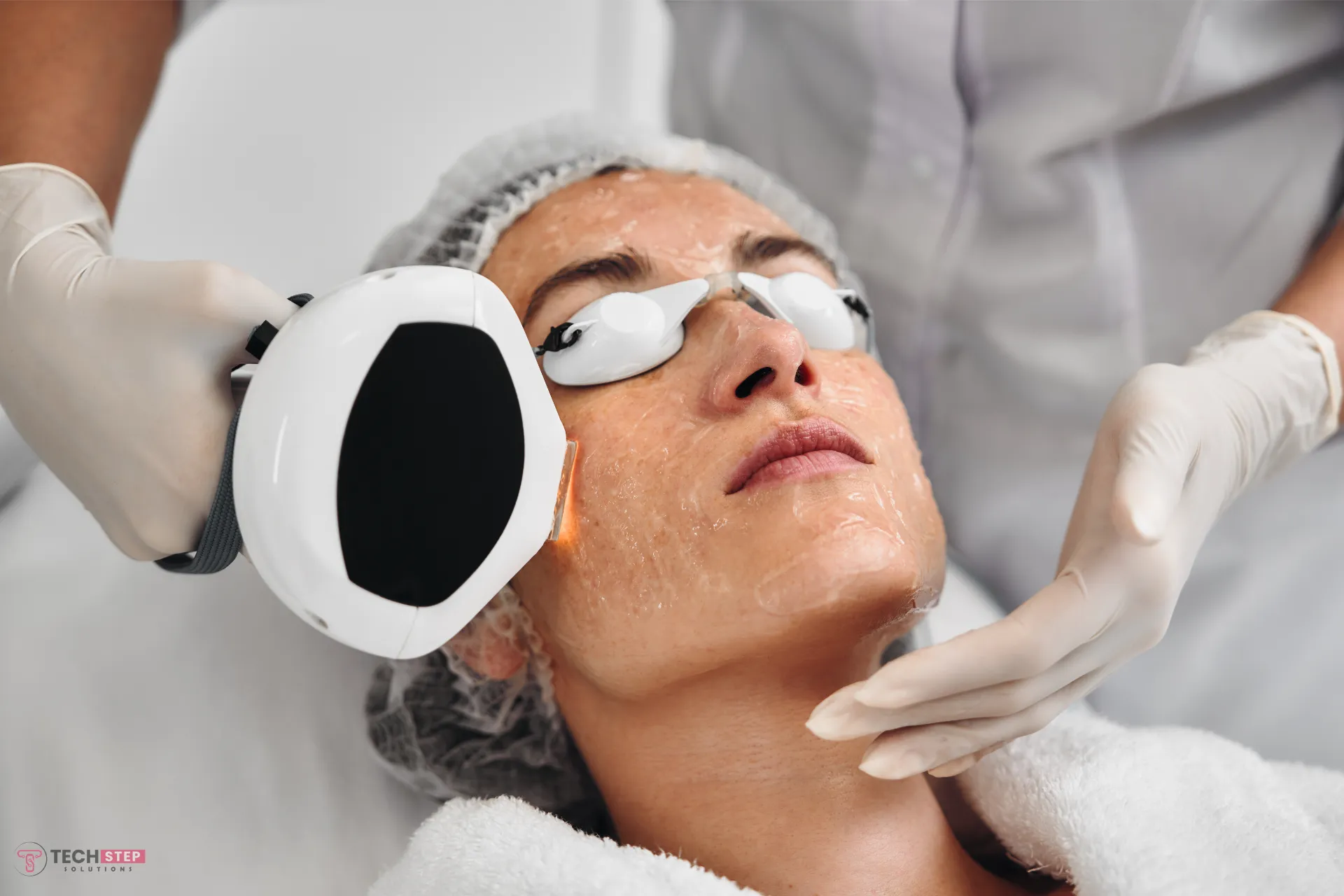
Great price I accompanied my sister yesterday for her Ultrasound skin tightening treatment.My sister a bit nervous at first, but the doctor and staff were incredibly patient and reassuring. During the consultation, everything was explained in detail — the procedure, expected results, and aftercare — without exaggerating outcomes or pressuring us into additional services. That made us feel very comfortable and confident. Throughout the treatment, each step was explained beforehand. The discomfort was manageable and within an acceptable range. The environment was clean, comfortable, and very private. After the procedure, she had slight redness, but it subsided quickly. If you’re considering anti-aging treatments, this is definitely a place you can trust.
Our Policies
About Us
Contact Us
 .