

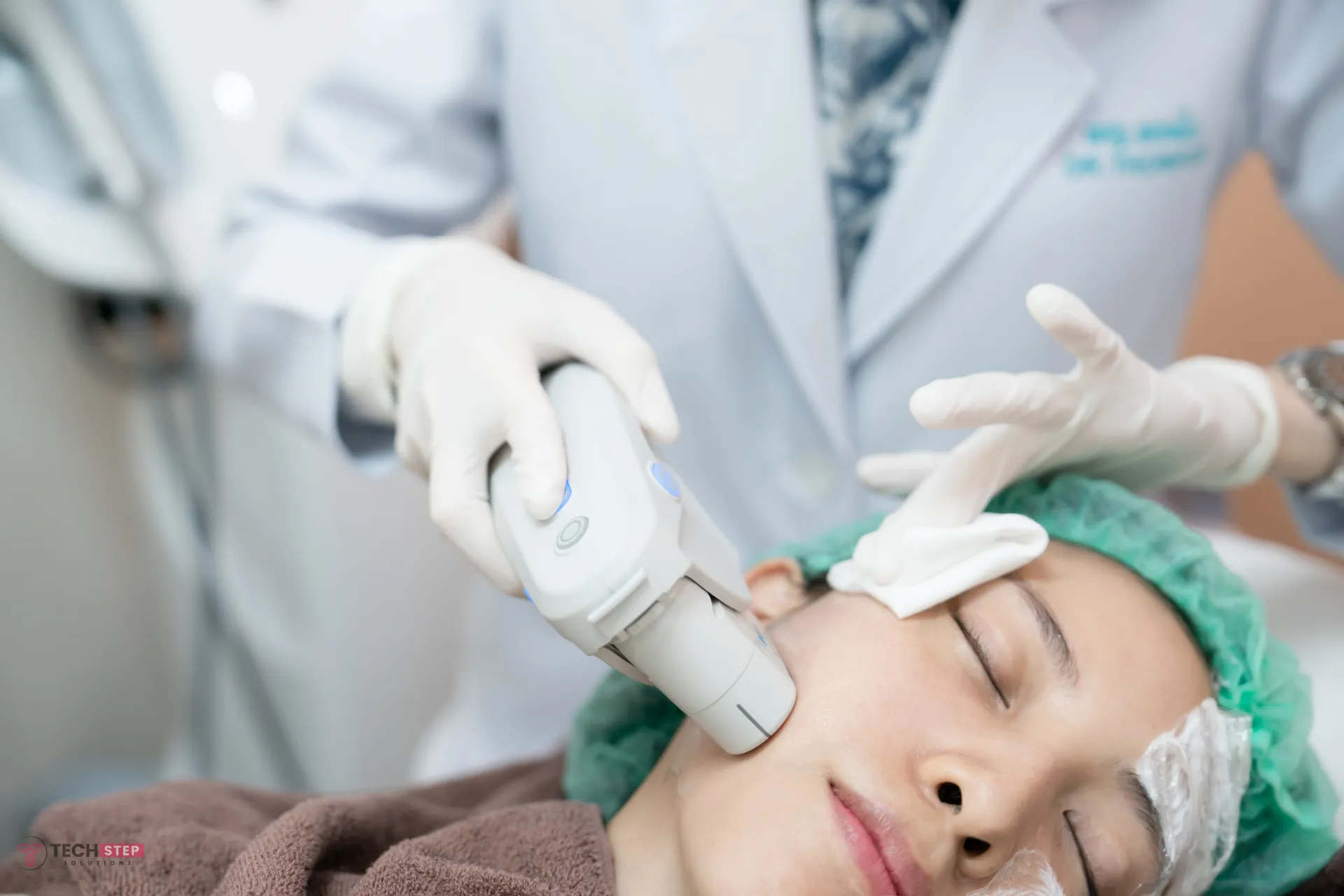

Lighten and brighten your areola safely with professional treatments at AquaVita Wellness & Medspa. Book your consultation today for smooth, even-toned results!
Areola color can vary from soft pink to deep brown. Genetics, hormones, and melanin levels affect its shade. Factors such as pregnancy, aging, and hormonal fluctuations can affect pigmentation.Many people want to know how to lighten areola skin for a lighter and more even skin tone.
At AquaVita Med Spa, we offer areola lightening treatments based on your skin type and needs. We focus on personal care and skin safety. Our team helps you explore suitable options for this sensitive area.
Our specialists check your areola pigmentation and discuss your cosmetic goals. They also explain treatment options that may suit your needs. We aim to support informed decisions while prioritizing comfort, safety, and realistic expectations.
A dark areola is often natural. Genetics, hormones, and melanin levels can affect its color. Several factors can cause areolas darken over time, especially during puberty and pregnancy.
Common causes include:
Some individuals may also notice an areola shape change as their breasts develop. A change in color of areola skin can happen at any age. Hormones, genetics, and natural body changes often play a role. However, you should consult a healthcare professional if you notice unusual discoloration.
The right areola lightening method depends on your skin type and goals. Natural nipple color is normal and needs no treatment. No home remedy has proven effective for safely lightening it.
At our clinic, we assess your skin and discuss suitable dark areola treatment options. Professional guidance helps patients understand possible benefits, treatment limitations, and potential risks.
Different cosmetic treatments aim to address uneven areola pigmentation and improve skin appearance. However, their safety and effectiveness on sensitive nipple tissue remain uncertain.
Some creams used in nipple pigmentation treatment contain ingredients that affect melanin production. However, these products may irritate delicate skin. Strong ingredients such as hydroquinone need medical supervision.
Laser treatments target skin pigment. However, studies on nipple lightening effectiveness and safety are still limited. Possible risks include burns, scarring, and uneven pigmentation.
Some clinics offer non-surgical nipple lightening and areola pigmentation correction techniques. Cosmetic tattooing adds pigment to change how the skin looks. It does not remove natural melanin. A specialist should explain the risks before treatment.
Many people try natural nipple lightening remedies at home. Home remedies have no proven benefits for safely lightening natural skin pigmentation.
Gentle skincare may help maintain healthy skin:
These practices protect sensitive skin but cannot guarantee lighter areolas. Before trying home remedies, ask a specialist about safe dark nipple treatment options.
A specialist can help you explore cosmetic options and avoid risky home remedies. Before a nipple lightening procedure, learn about its benefits, risks, and limits.
A consultation may provide:
During pregnancy, hormonal changes increase melanin levels. This leads to darkening of the areolas and nipples. As the breasts grow, the areolas may also become larger and more noticeable.
After childbirth, pigmentation may gradually fade as hormone levels decrease. Some women notice their areola color change lighter over time. Others may still have darker areolas after breastfeeding ends.
Breastfeeding and nipple color can be affected by genetics, skin tone, and hormones. These nipple color changes are usually harmless. A specialist can help you understand your options if darker skin bothers you.
Your skin type and natural pigment can affect areola cosmetic treatment results. The method used also plays a role. Each person’s skin responds differently, so improvement and recovery times may vary.
After treatment, some individuals may experience redness, irritation, or temporary sensitivity. Uneven pigmentation or prolonged discoloration may also occur. Following professional aftercare instructions can support healing and reduce potential complications.
There is no established timeline for achieving a lighter nipple color. Understanding expected results and recovery requirements helps patients make informed decisions.
Nipple lightening safety matters because the skin around the nipples is sensitive. Cosmetic products and treatments may cause irritation or other skin reactions.
Possible nipple lightening side effects include:
Avoid unapproved bleaching products. Are you pregnant or breastfeeding? Ask your doctor before trying any cosmetic lightening treatment
See a specialist if you notice unusual pigmentation or lasting skin changes. A doctor can check areola color changes and find out if they need medical care.
See a doctor if you notice a dark circle around areola tissue or dark spots on areola skin. Watch for ongoing itching, flaky skin, nipple discharge, or changes in one breast.These symptoms may need further evaluation.
For cosmetic concerns, our clinic offers a personalized nipple lightening consultation. Our specialists review your skin type and cosmetic goals. They explain suitable treatment options, possible risks, and expected results.
Yes, some cosmetic procedures may change its appearance. Results may vary from person to person. No treatment can promise safe, permanent lightening for everyone.Wondering can dark nipples become lighter? A specialist can help you explore your options.
Some women notice lighter areolas after childbirth as hormone levels change. However, the original shade may not return thoroughly , and results vary between individuals.
Darkening can occur during pregnancy, but it is not a reliable standalone indicator. A pregnancy test is the appropriate way to check for pregnancy.
Potential complications include irritation, allergic reactions, burns, scarring, and uneven pigmentation. The likelihood depends on the treatment method and individual skin response.
Pigmentation changes noticed during breastfeeding often begin during pregnancy. Darker coloration may remain while nursing and sometimes after breastfeeding ends.

To understand how to lighten areola skin, first learn what causes the dark pigmentation. Then, explore cosmetic treatments that may suit your needs. The right approach depends on skin type, personal concerns, and treatment limitations.
At AquaVita Med Spa, we focus on personalized assessments and informed treatment decisions. Our goal is to offer expert advice and explain possible results. We also focus on keeping your skin healthy and safe at every step.

Chloe Kou
2 weeks ago

Angela is very professional and knowledgeable. She took the time to carefully assess my facial structure and explain the treatment plan in detail. I had Sculptra done with her, and the results are amazing. The contour support looks very natural, and I can already see a beautiful lifting effect. She has a great eye for facial balance and structural support. The treatment was smooth, and I felt very comfortable the entire time. Highly recommend Angela if you are looking for subtle, refined, and long-lasting results.

Xishun Zheng
2 weeks ago
I did my filler with Angela and I’m really happy with how it turned out. She has over 9 years of injections experience in both Australia and the U.S., and you can honestly tell. She’s very confident with her technique and really understands facial structure. She didn’t rush the appointment and took time to make sure everything looked balanced and natural. The result doesn’t look overdone at all, just smoother contour and a subtle lift. Exactly what I wanted. I felt safe in her hands and would definitely recommend her to anyone thinking about filler.

Youjin Park
a month ago
I’m really happy to finally be writing this review about my laser treatment. I don’t usually leave reviews, but I wanted to for this and I waited about two weeks so I could see the real changes in my skin first. I struggled with acne from my teenage years to my mid 20s, which really bothered me. Once my acne finally calmed down, I decided to visit the medspa to work on my acne scars and skin texture. This was my first laser treatment, so I was honestly pretty nervous. Lyndsey was my nurse, and she was amazing. She’s very knowledgeable and explained everything about the procedure and how it works, which helped me feel a lot more comfortable. The facility was very clean and professional too. I had Nordlys resurfacing and IPL done. I won’t lie, it was a little painful, but totally worth it. Lyndsey made it much easier by checking in on me, giving me ice packs, and adjusting the settings during the treatment based on how I was feeling. Now that I’ve had time to see the results, I’m really happy with the improvement in my skin. I’m definitely going back (actually planning to schedule my next treatment right after this) and highly recommend Lyndsey. She never pushes unnecessary treatments and really takes time to talk through your skin concerns and choose the right options for you.

erin lee
a month ago
Great price I’m beyond happy with my lip filler results. I honestly never loved my lips before and always felt like they lacked shape and balance, but now they look so natural and beautiful. Lyndsey made me feel comfortable from start to finish and took her time explaining everything and making sure the results fit my face. I was nervous going in, but I felt completely at ease during the whole process. The space was clean, calming, and professional. I’ve already gotten so many compliments and feel so much more confident. I highly recommend Lyndsey to anyone looking for subtle, beautiful results 💕

Yan Yan Wu
2 weeks ago
Great price I accompanied my sister yesterday for her Ultrasound skin tightening treatment.My sister a bit nervous at first, but the doctor and staff were incredibly patient and reassuring. During the consultation, everything was explained in detail — the procedure, expected results, and aftercare — without exaggerating outcomes or pressuring us into additional services. That made us feel very comfortable and confident. Throughout the treatment, each step was explained beforehand. The discomfort was manageable and within an acceptable range. The environment was clean, comfortable, and very private. After the procedure, she had slight redness, but it subsided quickly. If you’re considering anti-aging treatments, this is definitely a place you can trust.
Our Policies
About Us
Contact Us
 .