

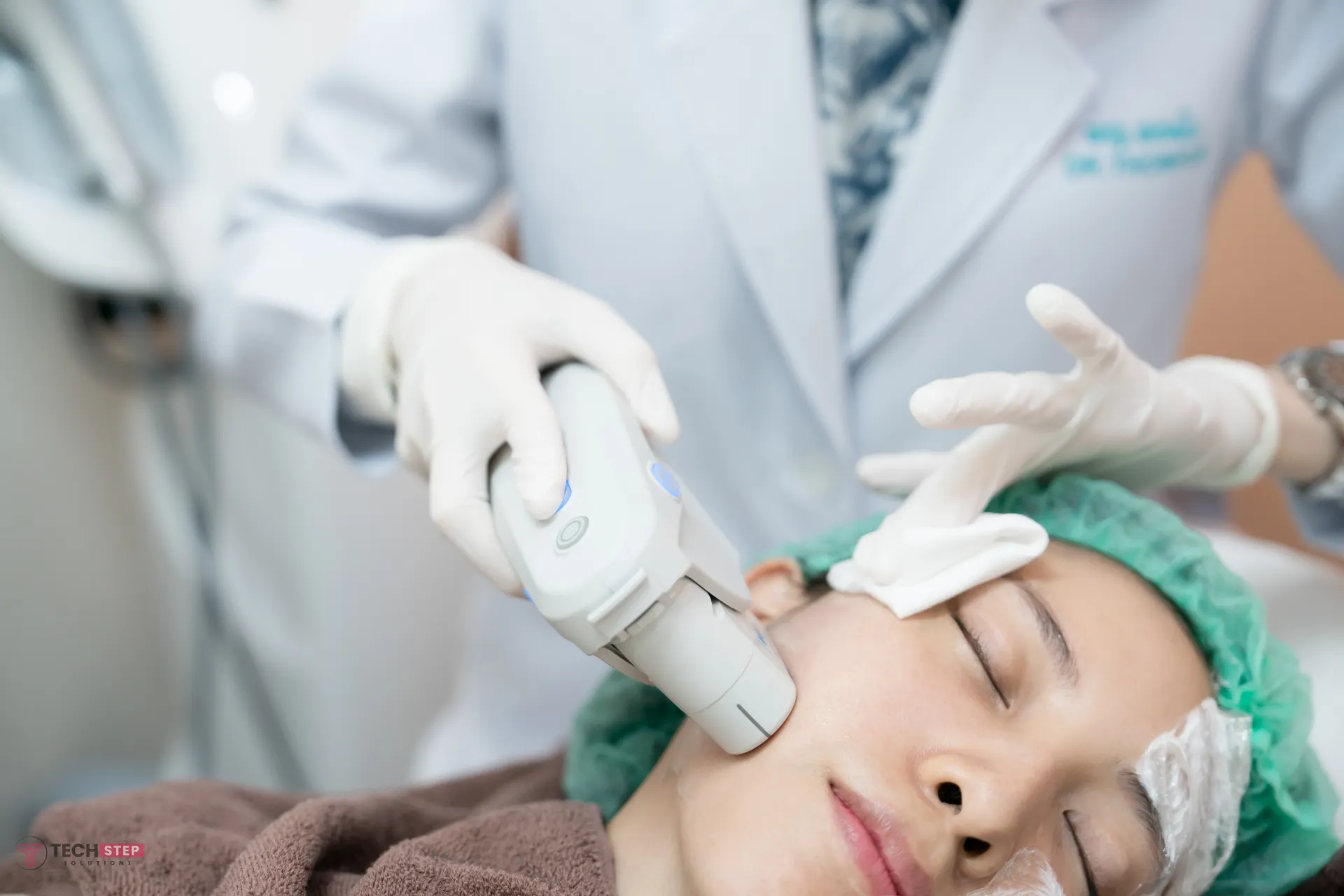
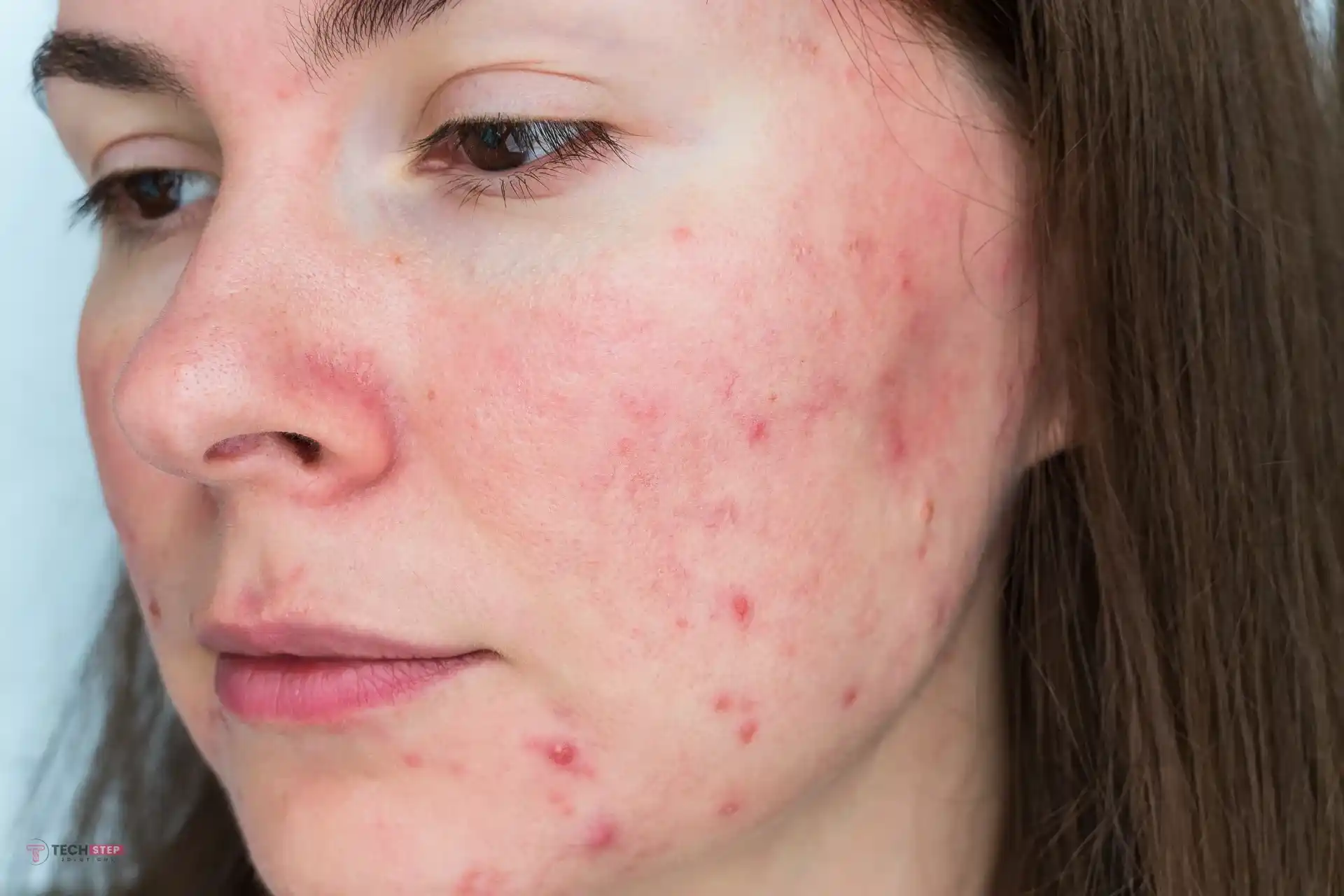
Rosacea is not classified as an autoimmune disease, but it can be triggered by certain conditions. Schedule a consultation at AquaVita Wellness & Medspa to manage your rosacea effectively!
Rosacea is a chronic skin condition that causes redness, visible blood vessels, and sometimes pustules or bumps, primarily affecting the face. But, is rosacea autoimmune? While the exact cause of rosacea remains unclear, recent research suggests that rosacea may involve immune system dysfunction. Understanding whether rosacea is autoimmune can help you better manage the condition and find the most effective treatments.
Although rosacea isn’t officially classified as an autoimmune disease, it is believed that immune system dysfunction plays a role in triggering its symptoms. The immune system’s overreaction to environmental triggers, such as heat, spicy foods, or stress, can cause skin flare-ups and lead to the visible redness associated with rosacea. This immune response redness is similar to what occurs in other autoimmune skin disorders.
In rosacea, the immune system involvement may contribute to inflammation and irritation of the skin. The immune system mistakenly treats normal skin cells as threats, leading to inflammation and the redness seen in rosacea sufferers. Some research even suggests that rosacea is linked to an autoimmune response in skin disorders, making it a condition that could potentially be influenced by immune dysfunction skin factors.
Understanding the relationship between rosacea and the immune system can help manage flare-ups more effectively. Here are a few key points about how immune dysfunction can trigger rosacea:
Rosacea can sometimes co-occur with autoimmune diseases, such as rheumatoid arthritis, indicating a potential link between rosacea and other immune-related conditions. People with autoimmune disorders may be more susceptible to rosacea flare-ups, as their immune system is already compromised, making the skin more prone to irritation and inflammation.
Understanding the connection between rosacea and autoimmune diseases is crucial in developing a comprehensive treatment plan. Individuals with both conditions may require specialized care to manage both the immune response and the skin symptoms, ensuring a more effective approach to treatment and long-term relief.
Although rosacea is not classified as an autoimmune disorder, its immune system connection makes certain treatments more effective. Here are some of the best treatments for rosacea and how they work with the immune system:
Medications like topical metronidazole or azelaic acid can help reduce inflammation and redness by modulating the immune response on the skin.
Oral antibiotics and immune-modulating medications may be prescribed to treat more severe cases of rosacea, especially when the immune system is involved in the flare-ups.
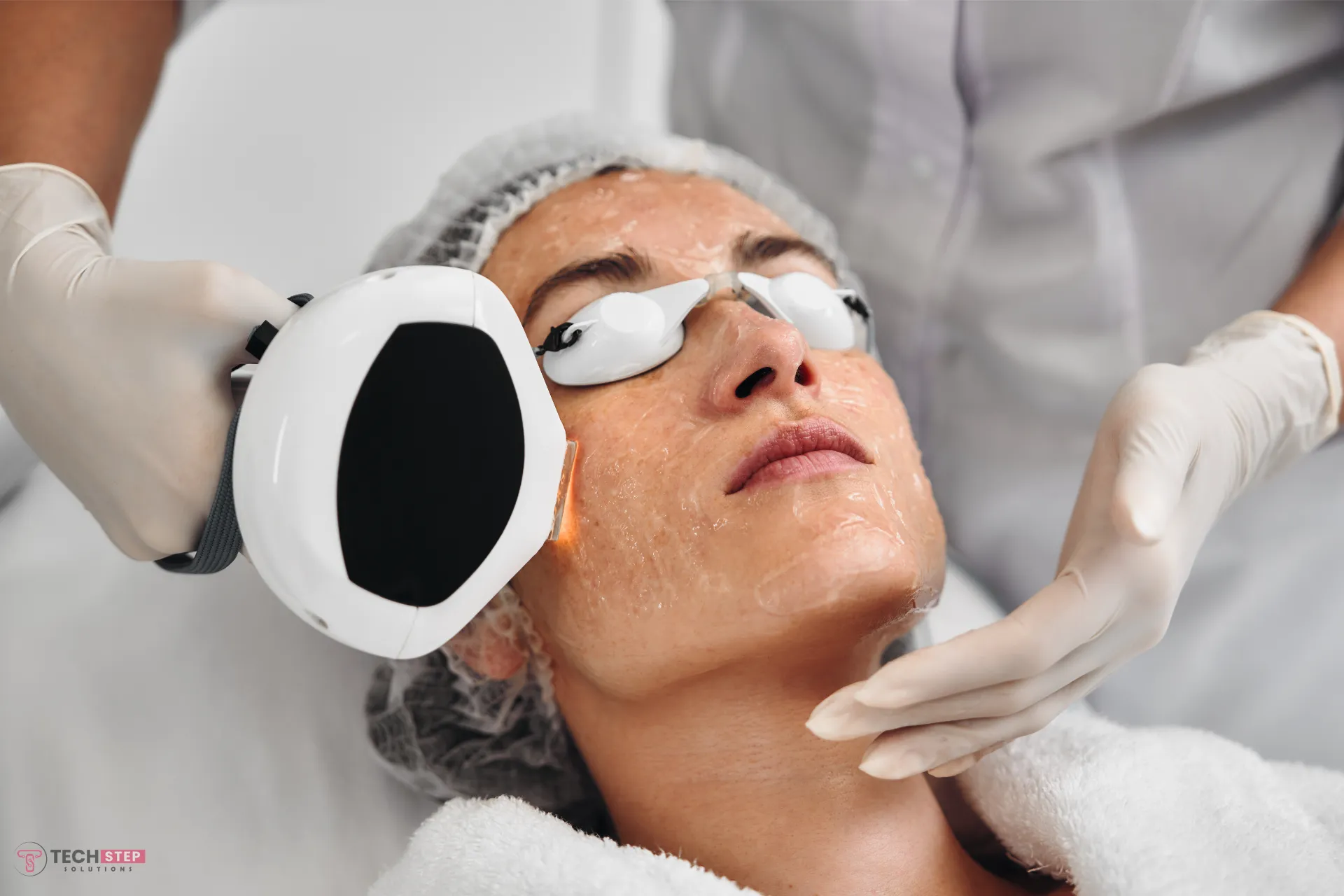
Rosacea redness laser treatment and IPL therapy can target the visible blood vessels caused by immune dysfunction, reducing facial redness and irritation.
Managing skin flare-ups through stress reduction, diet changes, and avoiding known facial redness triggers is essential in controlling rosacea symptoms.
At AquaVita Wellness & Medspa, we offer effective rosacea treatment in Orange County tailored to address immune dysfunction. Here’s how we help manage rosacea:
It’s important to recognize the signs of immune-related redness and understand when your rosacea may be linked to an underlying immune system issue. Some common signs include:
Skin redness in rosacea is caused by inflammation of the blood vessels in the face, which can be triggered by environmental factors, immune system dysfunction, and genetics.
The immune system plays a significant role in rosacea by triggering inflammation, causing redness and irritation in the skin. An overactive immune system can worsen symptoms.
Yes, immune dysfunction is believed to contribute to rosacea flare-ups by causing skin irritation and inflammation that leads to visible redness.
Signs of an immune system-related skin condition include persistent skin irritation, sensitivity, chronic redness, and flare-ups triggered by external factors.
Immune dysfunction can cause sensitive skin inflammation, leading to irritation, redness, and discomfort, especially in people with rosacea or other skin conditions.
You can get rosacea treatment near me in Orange County at AquaVita Wellness & Medspa. Contact us today to schedule a consultation and get the relief you need.
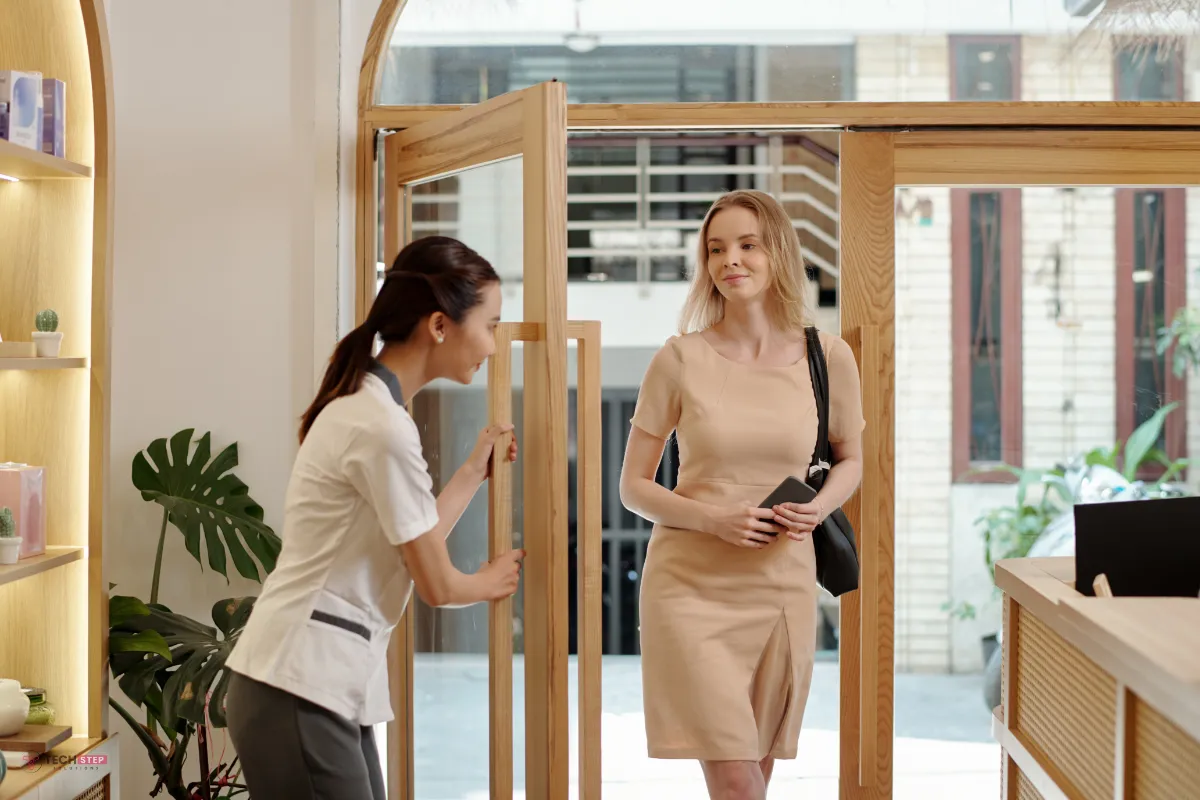
Managing rosacea and immune dysfunction requires a tailored approach, and at our Medspa in Orange County, we offer effective solutions that address both skin symptoms and immune system involvement. With treatments like IPL laser therapy for rosacea near me, we target the root causes of redness and inflammation, offering visible and long-lasting results.
Along with advanced laser treatments, we provide expert guidance on dietary and lifestyle changes to help prevent flare-ups and manage skin irritation. Our comprehensive approach ensures you receive the best care, helping you achieve clearer, healthier skin.

Chloe Kou
2 weeks ago

Angela is very professional and knowledgeable. She took the time to carefully assess my facial structure and explain the treatment plan in detail. I had Sculptra done with her, and the results are amazing. The contour support looks very natural, and I can already see a beautiful lifting effect. She has a great eye for facial balance and structural support. The treatment was smooth, and I felt very comfortable the entire time. Highly recommend Angela if you are looking for subtle, refined, and long-lasting results.

Xishun Zheng
2 weeks ago
I did my filler with Angela and I’m really happy with how it turned out. She has over 9 years of injections experience in both Australia and the U.S., and you can honestly tell. She’s very confident with her technique and really understands facial structure. She didn’t rush the appointment and took time to make sure everything looked balanced and natural. The result doesn’t look overdone at all, just smoother contour and a subtle lift. Exactly what I wanted. I felt safe in her hands and would definitely recommend her to anyone thinking about filler.

Youjin Park
a month ago
I’m really happy to finally be writing this review about my laser treatment. I don’t usually leave reviews, but I wanted to for this and I waited about two weeks so I could see the real changes in my skin first. I struggled with acne from my teenage years to my mid 20s, which really bothered me. Once my acne finally calmed down, I decided to visit the medspa to work on my acne scars and skin texture. This was my first laser treatment, so I was honestly pretty nervous. Lyndsey was my nurse, and she was amazing. She’s very knowledgeable and explained everything about the procedure and how it works, which helped me feel a lot more comfortable. The facility was very clean and professional too. I had Nordlys resurfacing and IPL done. I won’t lie, it was a little painful, but totally worth it. Lyndsey made it much easier by checking in on me, giving me ice packs, and adjusting the settings during the treatment based on how I was feeling. Now that I’ve had time to see the results, I’m really happy with the improvement in my skin. I’m definitely going back (actually planning to schedule my next treatment right after this) and highly recommend Lyndsey. She never pushes unnecessary treatments and really takes time to talk through your skin concerns and choose the right options for you.

erin lee
a month ago
Great price I’m beyond happy with my lip filler results. I honestly never loved my lips before and always felt like they lacked shape and balance, but now they look so natural and beautiful. Lyndsey made me feel comfortable from start to finish and took her time explaining everything and making sure the results fit my face. I was nervous going in, but I felt completely at ease during the whole process. The space was clean, calming, and professional. I’ve already gotten so many compliments and feel so much more confident. I highly recommend Lyndsey to anyone looking for subtle, beautiful results 💕

Yan Yan Wu
2 weeks ago
Great price I accompanied my sister yesterday for her Ultrasound skin tightening treatment.My sister a bit nervous at first, but the doctor and staff were incredibly patient and reassuring. During the consultation, everything was explained in detail — the procedure, expected results, and aftercare — without exaggerating outcomes or pressuring us into additional services. That made us feel very comfortable and confident. Throughout the treatment, each step was explained beforehand. The discomfort was manageable and within an acceptable range. The environment was clean, comfortable, and very private. After the procedure, she had slight redness, but it subsided quickly. If you’re considering anti-aging treatments, this is definitely a place you can trust.
Our Policies
About Us
Contact Us
 .
.