
Hifu vs Ultherapy

Table of Contents
HIFU vs Ultherapy: Choose the Right Skin Treatment
Decide between HIFU and Ultherapy for skin lifting and tightening. Consult AquaVita Wellness & MedSpa today for personalized recommendations!
HIFU vs Ultherapy: Comparing Two Ultrasound Skin Tightening Options
When comparing HIFU vs Ultherapy, both treatments use focused ultrasound energy to stimulate collagen and improve skin firmness without surgery. However, they are not exactly the same.
Although both treatments rely on ultrasound energy, their technology and delivery methods differ. HIFU covers a range of focused-ultrasound systems, while Ultherapy is a branded platform that combines microfocused ultrasound energy with real-time tissue visualization.
The best option depends on your skin laxity, treatment area, comfort preferences, goals, and the technology available at your provider. For people looking for a non surgical facelift or non invasive skin tightening, understanding the differences between these treatments can make choosing an option easier.
How HIFU and Ultherapy Work for Skin Tightening?
Both HIFU technology and Ultherapy technology deliver ultrasound energy beneath the skin’s surface. This controlled energy targets deeper tissue and encourages the body’s natural collagen stimulation process.
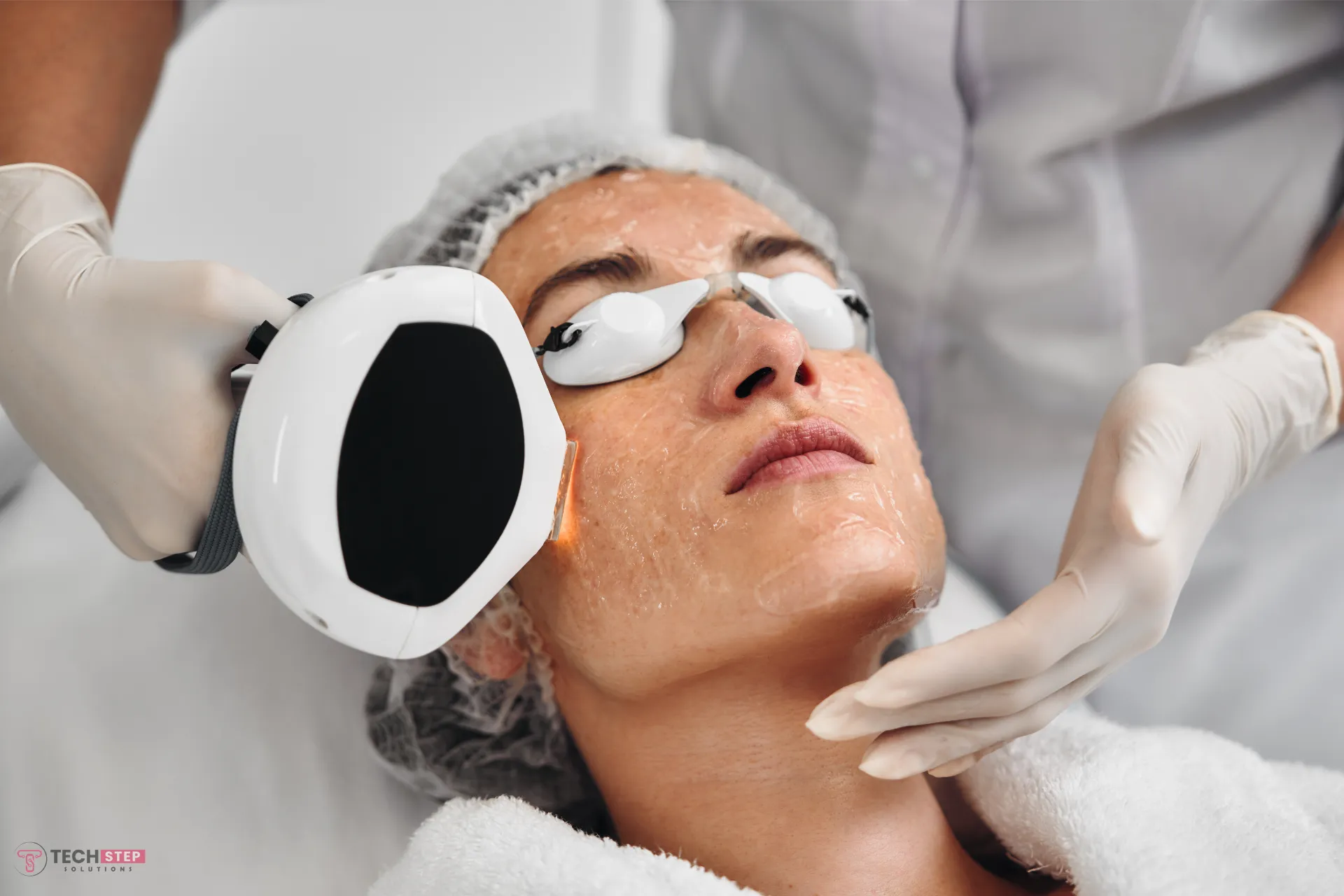
A HIFU facial treatment delivers focused ultrasound energy below the skin to support collagen production and improve mild to moderate laxity. Over time, new collagen can contribute to gradual skin firming and a more defined appearance.
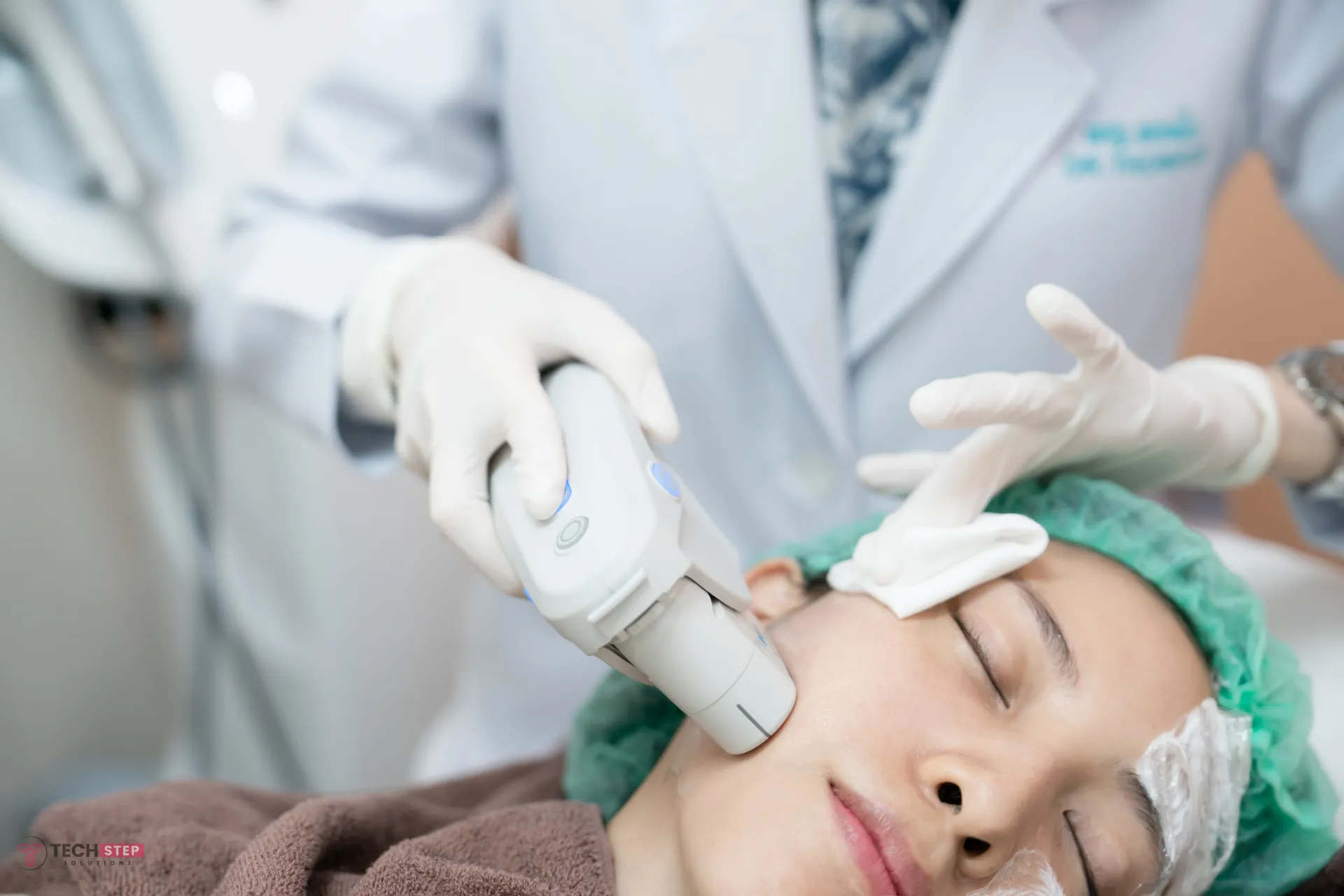
Ultherapy also uses focused ultrasound, but its technology includes real-time visualization that allows providers to view tissue layers while delivering treatment. This helps guide the selected ultrasound depth during treatment.
HIFU vs Ultherapy: Key Differences at a Glance
A simple HIFU vs Ultherapy comparison can help highlight how the treatments differ.
| Feature | HIFU | Ultherapy |
|---|---|---|
Technology | High-intensity focused ultrasound | Microfocused ultrasound with visualization |
Real-time Imaging | Depends on device | Yes |
Main Goal | Skin tightening and firming | Lifting and tightening |
Treatment Areas | Varies by device | Brow, chin, neck and other cleared areas |
Number of Sessions | Device and patient dependent | Often planned as a single initial treatment |
The most important difference is not simply the name of the procedure. Device quality, treatment settings, provider experience, and patient selection all influence the final skin tightening results.
Which Treatment Offers More Precise Ultrasound Delivery?
How Ultherapy Uses Real-Time Imaging
Ultherapy uses real-time ultrasound imaging to help the provider identify tissue layers before delivering energy. This can improve treatment precision and help ensure energy reaches the intended depth.
How HIFU Uses Adjustable Treatment Depths
Many HIFU systems allow providers to work at different tissue depths, but the technology can vary between devices. Because HIFU refers to a broader category rather than one standardized platform, treatment methods and results may differ.
This difference is worth considering when reading any HIFU Ultherapy review, as patient experiences may reflect the specific device and provider rather than HIFU technology as a whole.
HIFU vs Ultherapy for the Face, Jawline, and Chin
Both options are commonly considered for facial skin laxity, but treatment planning should depend on the area being addressed.
Jawline and Lower Face
Focused ultrasound may help improve mild skin laxity around the jawline by encouraging deep tissue stimulation and collagen remodeling. This can create a firmer and more defined appearance over time.
Under the Chin
Ultrasound-based double chin treatment may help tighten loose skin beneath the chin and improve lower-face definition in suitable patients. However, ultrasound skin tightening should not be confused with treatments specifically designed to remove significant amounts of fat.
Brow Area
Ultherapy is FDA-cleared for lifting the brow and may be considered as a nonsurgical brow lift treatment for suitable patients. Treatment goals should remain realistic, as ultrasound treatments cannot reproduce the degree of lifting achieved through surgery.
HIFU vs Ultherapy Before and After: What Results Can You Expect?
HIFU vs Ultherapy before and after results usually develop gradually as collagen production increases.
Patients may notice:
- firmer skin
- improved facial definition
- mild lifting
- smoother contours
- reduced skin laxity
Results vary based on age, skin quality, treatment area, settings, and the device used.
HIFU vs Ultherapy PRIME: Differences in Technology and Treatment
When comparing HIFU vs Ultherapy Prime, it is important to understand that Ultherapy PRIME is the newer generation of the Ultherapy platform rather than a completely different type of treatment.
Ultherapy PRIME uses microfocused ultrasound with visualization and is designed to provide real-time imaging during treatment. According to the manufacturer, the updated platform offers faster treatment delivery while maintaining the ultrasound-based lifting approach of Ultherapy.
By comparison, HIFU devices vary by manufacturer, energy delivery system, available depths, and treatment protocols. For this reason, comparisons should focus on the specific device being offered rather than treating every HIFU system as identical.
HIFU Ultherapy Price: Which Treatment Costs More?

HIFU Ultherapy price can vary based on the treatment area, device, provider, location, and the number of sessions needed. In an Ultherapy vs HIFU cost comparison, Ultherapy may be priced differently because it is a branded system with real-time ultrasound visualization.
HIFU pricing can vary more widely because different devices and protocols are used. Cost should not be the only deciding factor; device quality, provider experience, treatment safety, and expected results are equally important.
HIFU vs Ultherapy Recovery: Downtime, Comfort, and Aftercare
One reason people consider HIFU ultrasound skin tightening and Ultherapy is the relatively limited recovery period compared with surgery.
What to Expect After Treatment
Treatment downtime is generally minimal. Temporary effects can include:
- mild redness
- slight swelling
- tenderness
- tingling
- temporary sensitivity
Many people are able to resume their usual daily activities shortly after the procedure. Comfort levels vary from person to person and can also depend on treatment settings, area, and device. Your provider should explain what sensations to expect and what aftercare may be appropriate.
HIFU vs Ultherapy: Safety and Number of Sessions
Treatment safety depends on the device, settings, and provider experience.
- Provider training: Proper technique supports safer treatment.
- Device quality: Ultherapy has specific FDA clearances; HIFU systems vary.
- Number of sessions: Some patients need one session, while others may need more.
- Skin laxity: Severe sagging may require a different approach.
A consultation can help determine the most suitable option.
Explore Ultherapy in Lake Forest at AquaVita Wellness & Medspa
If you are comparing HIFU with Ultherapy in Lake Forest, a professional consultation can help determine whether ultrasound-based skin tightening matches your needs. At AquaVita Wellness & Medspa, Ultherapy is offered for areas including the brow, chin, neck, and chest.
For patients seeking gradual lifting without incisions or significant recovery time, Ultherapy may provide an option for improving mild to moderate skin laxity while supporting natural collagen production.
FAQs
Which Is More Effective for Skin Tightening?
Both HIFU and Ultherapy can improve skin firmness in suitable patients. Effectiveness depends on the device, treatment settings, skin laxity, and provider technique. Ultherapy's real-time imaging offers an additional layer of treatment visualization, while HIFU results can vary between different devices.
At What Age Is HIFU or Ultherapy Most Effective?
There is no single ideal age. These treatments are generally better suited to people experiencing mild to moderate skin laxity who still have enough natural collagen response to benefit from stimulation. Skin condition matters more than a specific age.
Which Treatment Is Better for the Jawline?
Both treatments may help define the jawline when loose skin is the primary concern. The better option depends on tissue quality, degree of sagging, facial anatomy, and the technology available. A consultation is the best way to determine an appropriate treatment plan.
Is Ultherapy Safer Than HIFU?
It is not accurate to say that every Ultherapy treatment is automatically safer than every HIFU treatment. Ultherapy has specific FDA clearances and uses real-time visualization, while HIFU devices vary considerably. Safety ultimately depends on the device, correct settings, appropriate patient selection, and provider training.
Is There Any Downtime After HIFU or Ultherapy?
Both treatments generally involve little to no significant downtime. Temporary redness, swelling, tingling, or tenderness may occur, but many patients can return to normal activities shortly after treatment.
Final Thoughts: Choosing Between HIFU and Ultherapy

The HIFU vs Ultherapy decision comes down to more than choosing between two names. Both use focused ultrasound to encourage collagen production and improve skin firmness, but their technology, imaging capabilities, treatment protocols, and device consistency differ.
For anyone seeking a non invasive skin tightening option, the most appropriate treatment should be based on facial anatomy, skin laxity, treatment goals, safety, and provider experience. A personalized consultation can help determine which approach offers the right balance of precision, comfort, and natural-looking results.
MORE FROM OUR BLOG
You may also like