
Not sure which skin-tightening treatment is right for you? Compare both options and book your consultation today for firmer, lifted results!
Non-surgical treatments for skin tightening are becoming more popular among people who want a youthful look without surgery. Two widely used options are Thermage vs Ultherapy, both designed to reduce fine lines, improve skin laxity, and lift sagging skin effectively.
Understanding how each treatment works can help you choose the right treatment for your skin type and goals. This guide will compare Ultherapy and Thermage, discussing results, cost, safety, and treatment areas, so you can make an informed decision.
Thermage is a non-surgical procedure that uses radiofrequency energy to penetrate deeper skin layers. This stimulates new collagen production, helping improve moderate skin laxity and lift sagging skin. It works well on larger areas like the face, neck, and jowls. Patients enjoy minimal downtime and a safe treatment suitable for various skin types.
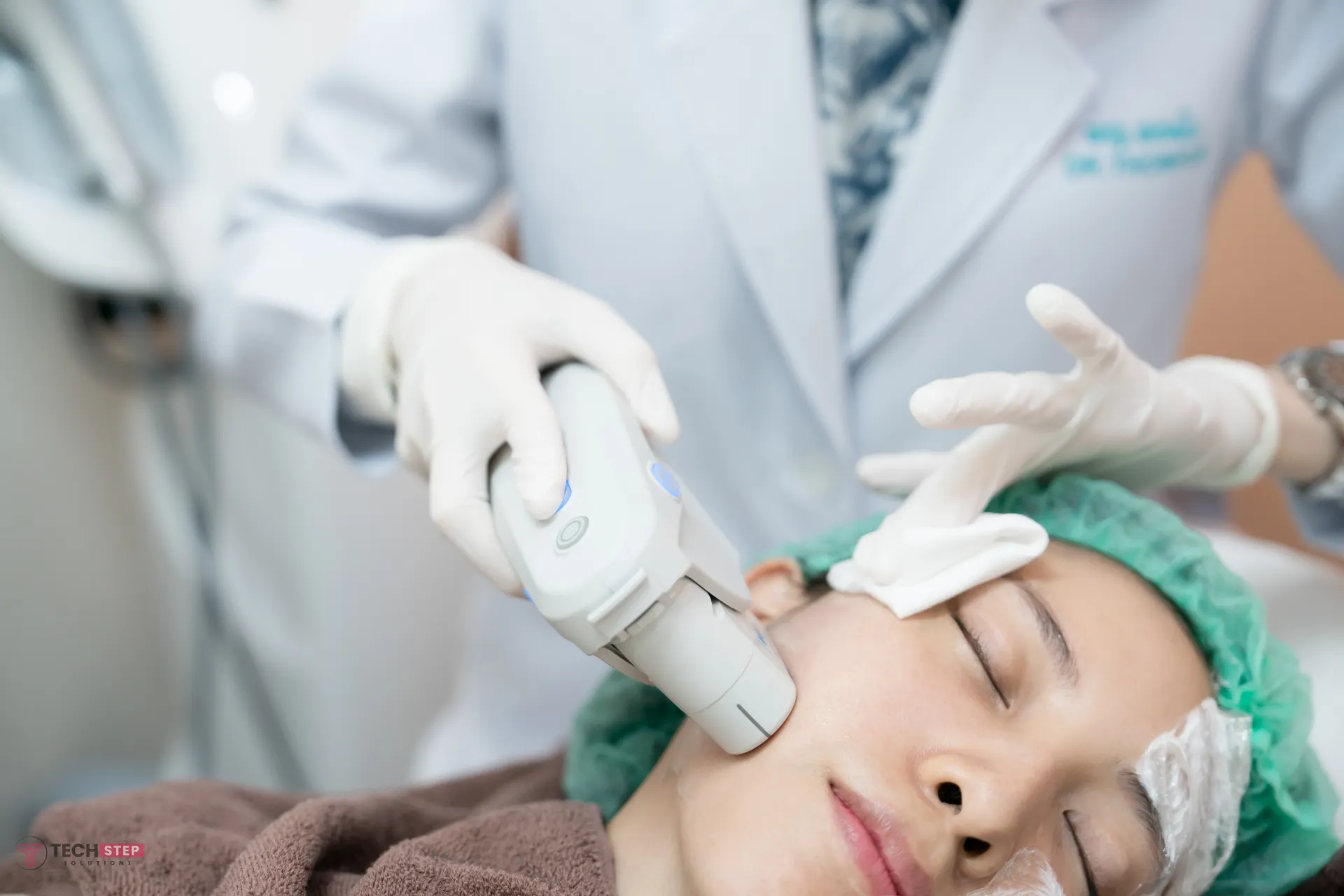
Ultherapy uses ultrasound energy to reach specific areas beneath the skin’s surface. It targets deeper skin layers to boost collagen naturally, providing a gentle lift. This treatment is ideal for thicker skin or areas needing precision, such as the brow or jawline. Both ultherapy versus thermage and ulthera vs thermage comparisons show its value in non-surgical treatments. Some patients even combine thermage and ultherapy for enhanced results.
Both treatments work in different ways to firm and lift the skin. Many people compare ulthera thermage methods to understand which option fits their needs and goals.
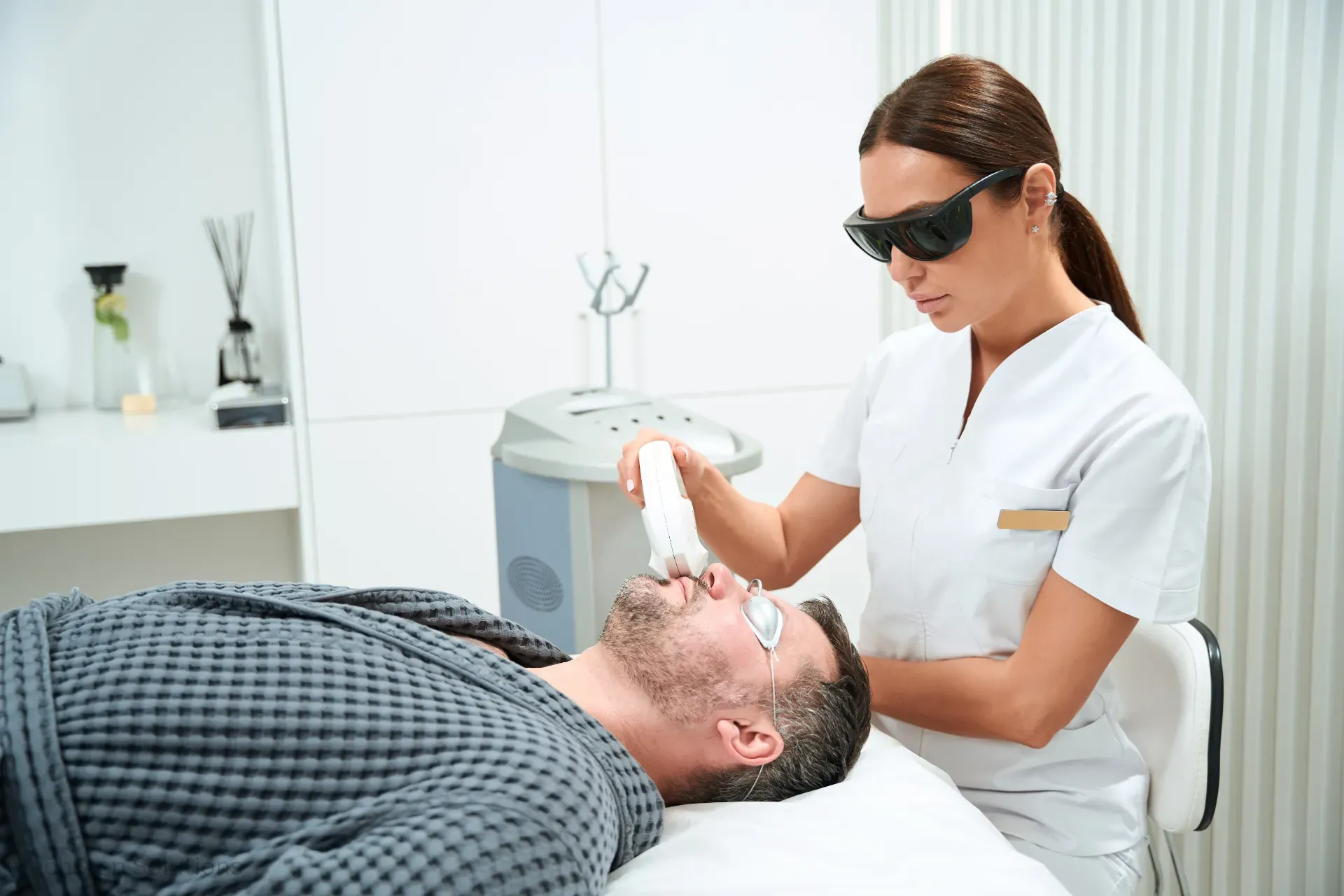
Thermage uses radiofrequency energy to heat deeper skin layers, stimulating new collagen production that tightens sagging skin. It works on thicker skin and areas with moderate laxity, like the face, jowls, neck, and larger areas. This non-surgical treatment is safe for most skin types and requires minimal downtime.
Ultherapy uses ultrasound energy to reach deeper skin layers without affecting the surface. It lifts specific areas like the brow, chin, or neck by stimulating natural collagen production. This non-surgical treatment works well for moderate skin laxity, with results improving gradually over 2–3 months.
Understanding how each treatment performs helps patients choose the right option, especially when comparing Ultherapy vs Thermage for jowls, fine lines, and overall skin tightening.
| Feature | Thermage | Ultherapy |
|---|---|---|
Mechanism | Uses radiofrequency energy to heat deeper skin layers | Uses ultrasound energy to reach deeper layers without affecting surface |
Result Timing | Subtle tightening often visible immediately | Gradual lifting over 2–3 months as new collagen develops |
Target Areas | Larger areas like face, jowls, neck | Specific areas like brow, chin, jowls |
Effectiveness for Fine Lines & Sagging Skin | Smooths and tightens skin effectively | Lifts and defines targeted areas precisely |
Downtime | Minimal | Minimal, slightly longer for some patients |
Best For | Thicker skin, moderate laxity, broad regions | Moderate laxity, precise lifting, natural gradual improvement |
Overall Benefit | Immediate improvement and non-surgical convenience | Gradual, natural lifting with long-lasting results |
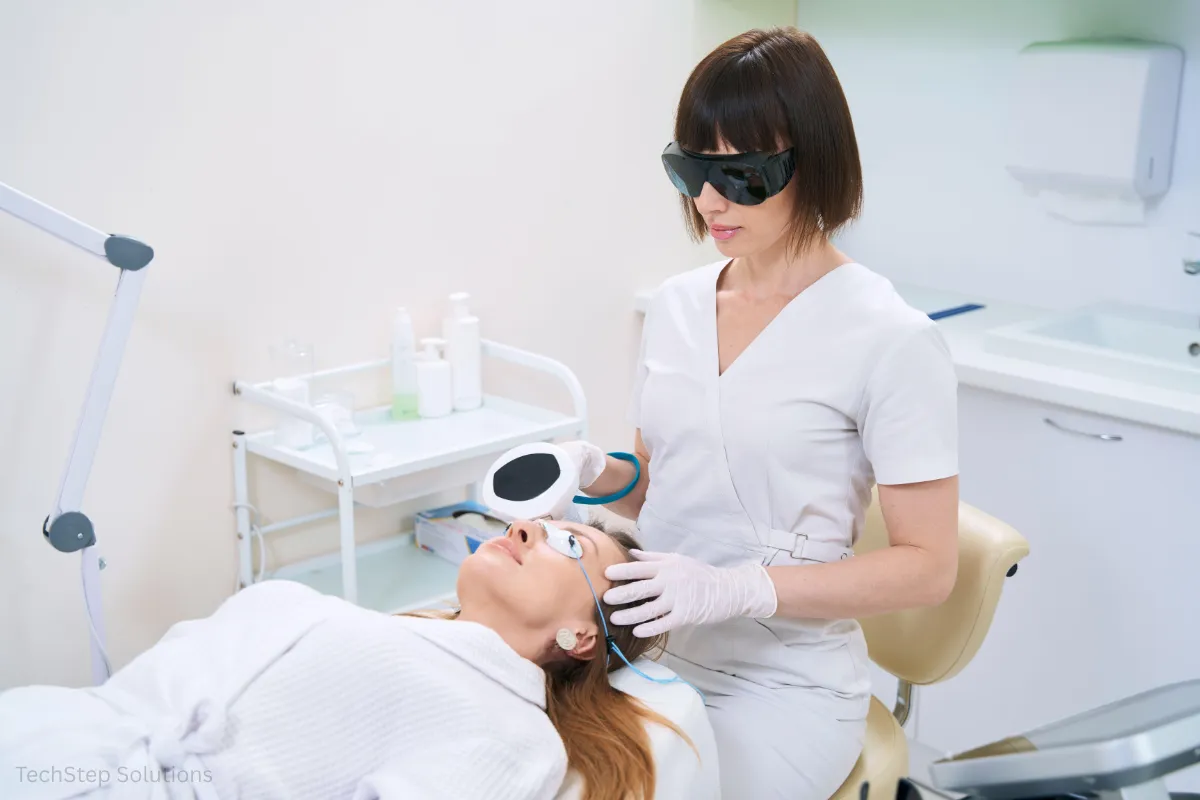
Thermage uses radiofrequency energy, which may feel warm or slightly tingly during the procedure. Most patients tolerate it well, even on thicker skin.
Ultherapy uses ultrasound energy to target specific areas like the brow, chin, or neck. Patients may feel mild tingling or brief discomfort during the session.
Sessions usually take 45–90 minutes depending on the treatment area. Recovery is minimal, with most patients returning to normal activities immediately.
Sessions are precise and typically completed within an hour. Downtime is minimal, making it convenient for daily routines.
Selecting the right treatment depends on skin type, treatment area, and comfort preference. Discuss ultherapy vs thermage cost with your provider before deciding.
Both Thermage and Ultherapy are popular non-surgical treatments known for their safety and effectiveness. Understanding potential side effects helps you choose the right treatment.
Overall, both procedures provide reliable results with low risk. Following your provider’s instructions ensures safe and effective treatment.
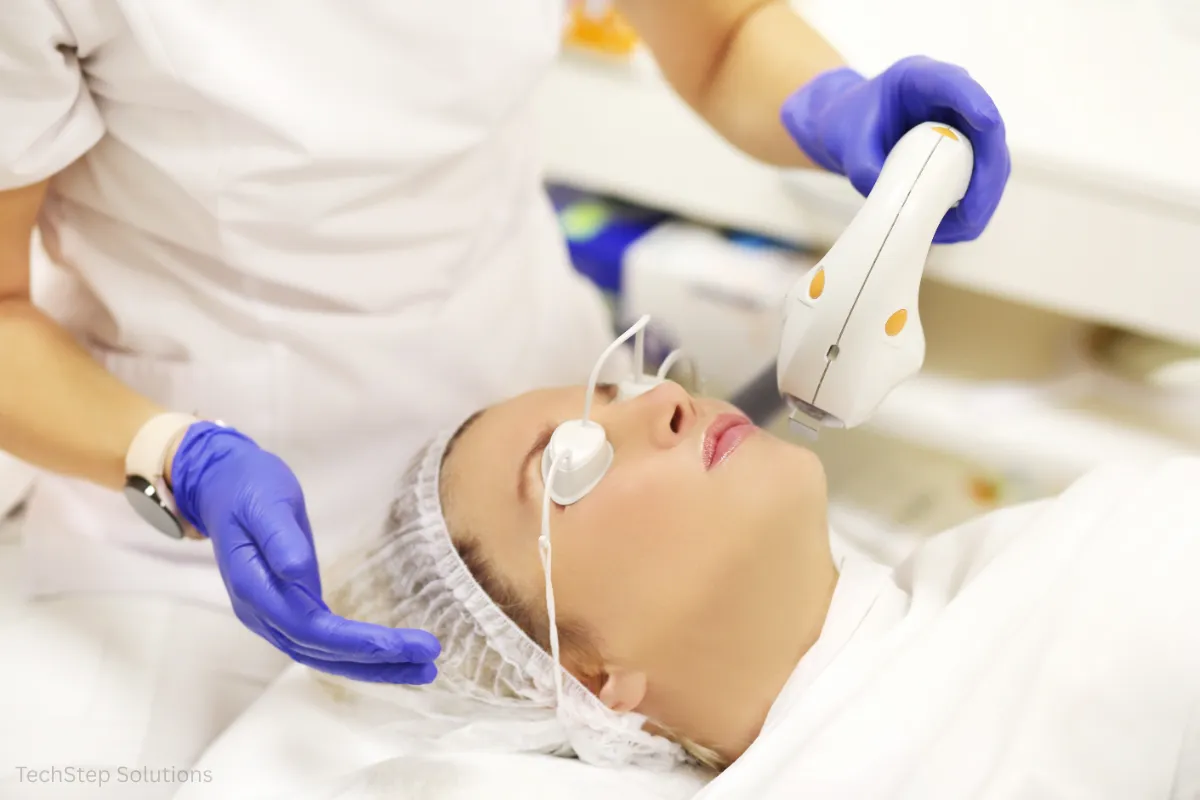
Many patients wonder if Thermage and Ultherapy can be safely combined for better results. The combination may enhance new collagen production and improve skin tightening.
Benefits and Considerations:
Combining treatments may accelerate results, but personalized consultation ensures the right treatment plan. Patients in Ultherapy Irvine or Ultherapy Orange County can explore combination options safely.
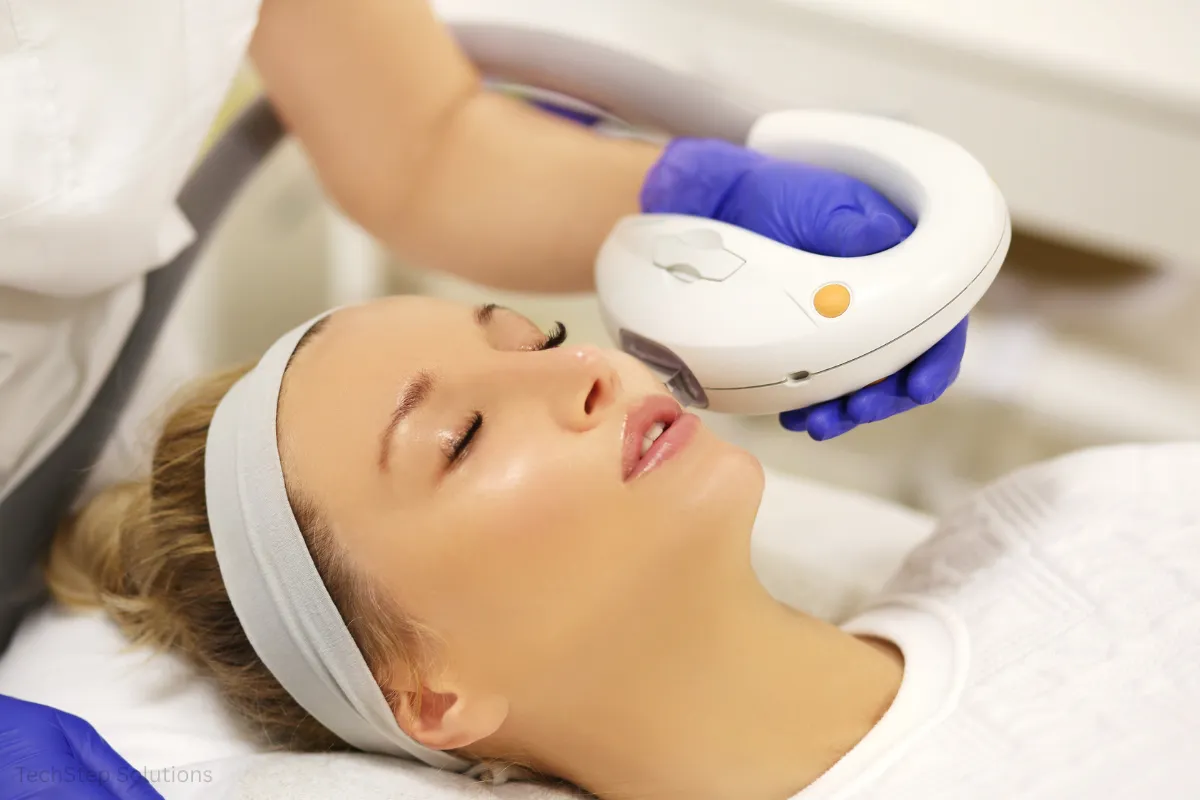
Selecting the right treatment starts with understanding your skin type, thickness, and the degree of moderate skin laxity. These factors help determine whether Thermage vs Ultherapy is more suitable for you.
Consider the amount of sagging skin and your tolerance for downtime. Non-surgical treatments offer effective results with minimal recovery, making them convenient for busy lifestyles.
A professional consultation is always recommended. Experts in Ultherapy Irvine or Ultherapy Orange County can guide you on ultherapy versus thermage, targeting the correct treatment area for your goals.
Both treatments are effective, but results depend on your skin type, sagging level, and target areas.
Yes, combining Thermage and Ultherapy can enhance results by targeting different layers and stimulating more collagen.
Effectiveness varies per individual. Ultherapy works well for precise lifting, while Thermage suits larger areas and thicker skin.
Costs depend on treatment area, number of sessions, and provider expertise. Packages may help reduce overall expenses.
Both are FDA-approved, non-surgical treatments. Side effects are usually mild and temporary, with minimal downtime.

Choosing between Thermage vs Ultherapy depends on your skin type, areas of concern, and the level of sagging or fine lines. A professional consultation at AquaVita Wellness & Medspa helps determine the right treatment for your skin, whether you need lifting, tightening, or overall rejuvenation in specific areas.
Both treatments are non-surgical with minimal downtime, making them convenient for busy lifestyles. They safely stimulate new collagen production, improve moderate skin laxity, and provide gradual, natural-looking results in targeted areas like the face, jowls, and neck.

Chloe Kou
2 weeks ago

Angela is very professional and knowledgeable. She took the time to carefully assess my facial structure and explain the treatment plan in detail. I had Sculptra done with her, and the results are amazing. The contour support looks very natural, and I can already see a beautiful lifting effect. She has a great eye for facial balance and structural support. The treatment was smooth, and I felt very comfortable the entire time. Highly recommend Angela if you are looking for subtle, refined, and long-lasting results.

Xishun Zheng
2 weeks ago
I did my filler with Angela and I’m really happy with how it turned out. She has over 9 years of injections experience in both Australia and the U.S., and you can honestly tell. She’s very confident with her technique and really understands facial structure. She didn’t rush the appointment and took time to make sure everything looked balanced and natural. The result doesn’t look overdone at all, just smoother contour and a subtle lift. Exactly what I wanted. I felt safe in her hands and would definitely recommend her to anyone thinking about filler.

Youjin Park
a month ago
I’m really happy to finally be writing this review about my laser treatment. I don’t usually leave reviews, but I wanted to for this and I waited about two weeks so I could see the real changes in my skin first. I struggled with acne from my teenage years to my mid 20s, which really bothered me. Once my acne finally calmed down, I decided to visit the medspa to work on my acne scars and skin texture. This was my first laser treatment, so I was honestly pretty nervous. Lyndsey was my nurse, and she was amazing. She’s very knowledgeable and explained everything about the procedure and how it works, which helped me feel a lot more comfortable. The facility was very clean and professional too. I had Nordlys resurfacing and IPL done. I won’t lie, it was a little painful, but totally worth it. Lyndsey made it much easier by checking in on me, giving me ice packs, and adjusting the settings during the treatment based on how I was feeling. Now that I’ve had time to see the results, I’m really happy with the improvement in my skin. I’m definitely going back (actually planning to schedule my next treatment right after this) and highly recommend Lyndsey. She never pushes unnecessary treatments and really takes time to talk through your skin concerns and choose the right options for you.

erin lee
a month ago
Great price I’m beyond happy with my lip filler results. I honestly never loved my lips before and always felt like they lacked shape and balance, but now they look so natural and beautiful. Lyndsey made me feel comfortable from start to finish and took her time explaining everything and making sure the results fit my face. I was nervous going in, but I felt completely at ease during the whole process. The space was clean, calming, and professional. I’ve already gotten so many compliments and feel so much more confident. I highly recommend Lyndsey to anyone looking for subtle, beautiful results 💕

Yan Yan Wu
2 weeks ago
Great price I accompanied my sister yesterday for her Ultrasound skin tightening treatment.My sister a bit nervous at first, but the doctor and staff were incredibly patient and reassuring. During the consultation, everything was explained in detail — the procedure, expected results, and aftercare — without exaggerating outcomes or pressuring us into additional services. That made us feel very comfortable and confident. Throughout the treatment, each step was explained beforehand. The discomfort was manageable and within an acceptable range. The environment was clean, comfortable, and very private. After the procedure, she had slight redness, but it subsided quickly. If you’re considering anti-aging treatments, this is definitely a place you can trust.
Our Policies
About Us
Contact Us
 .
.